

The complete guide
Hanging rings safely and setting the right height
The anchor, not the rings
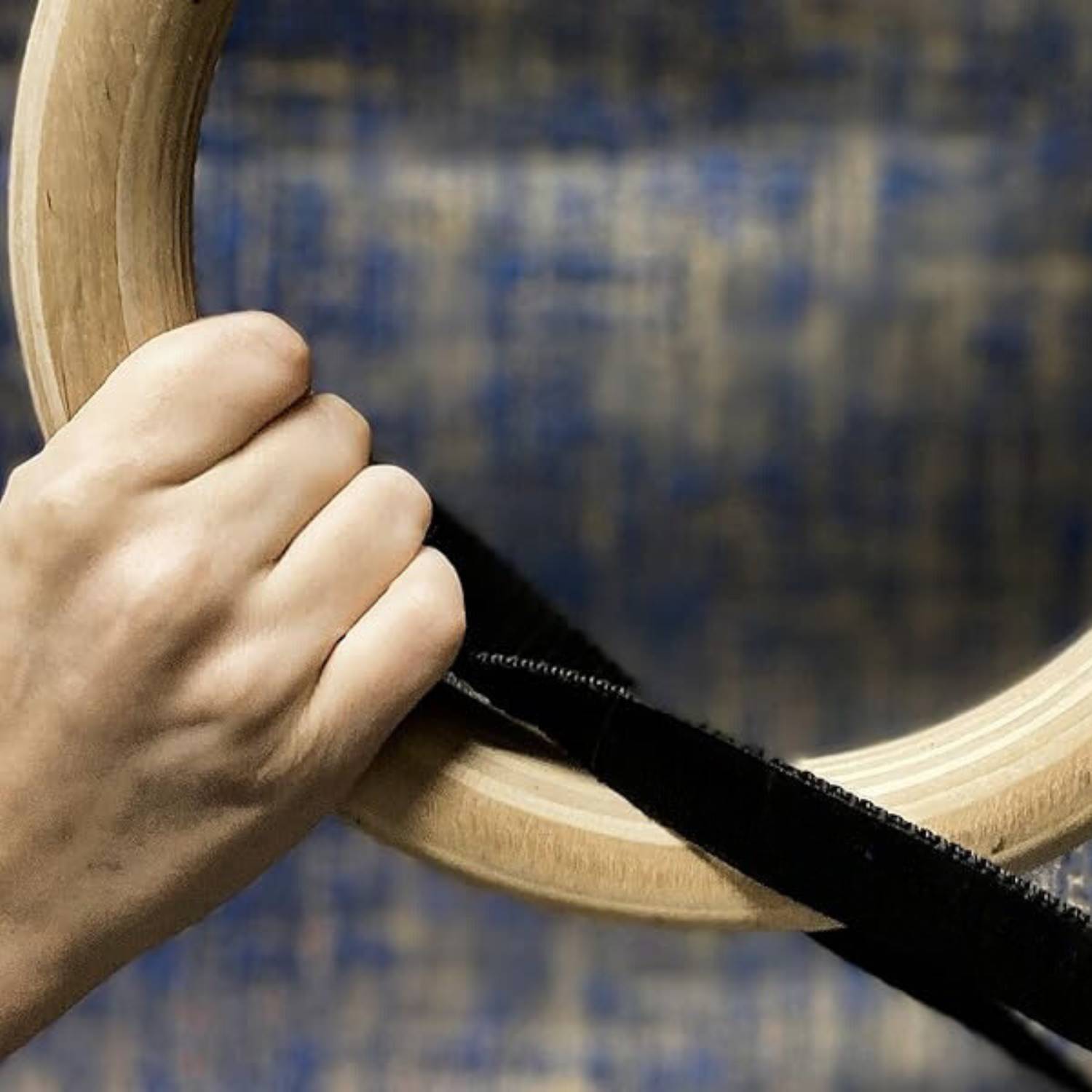
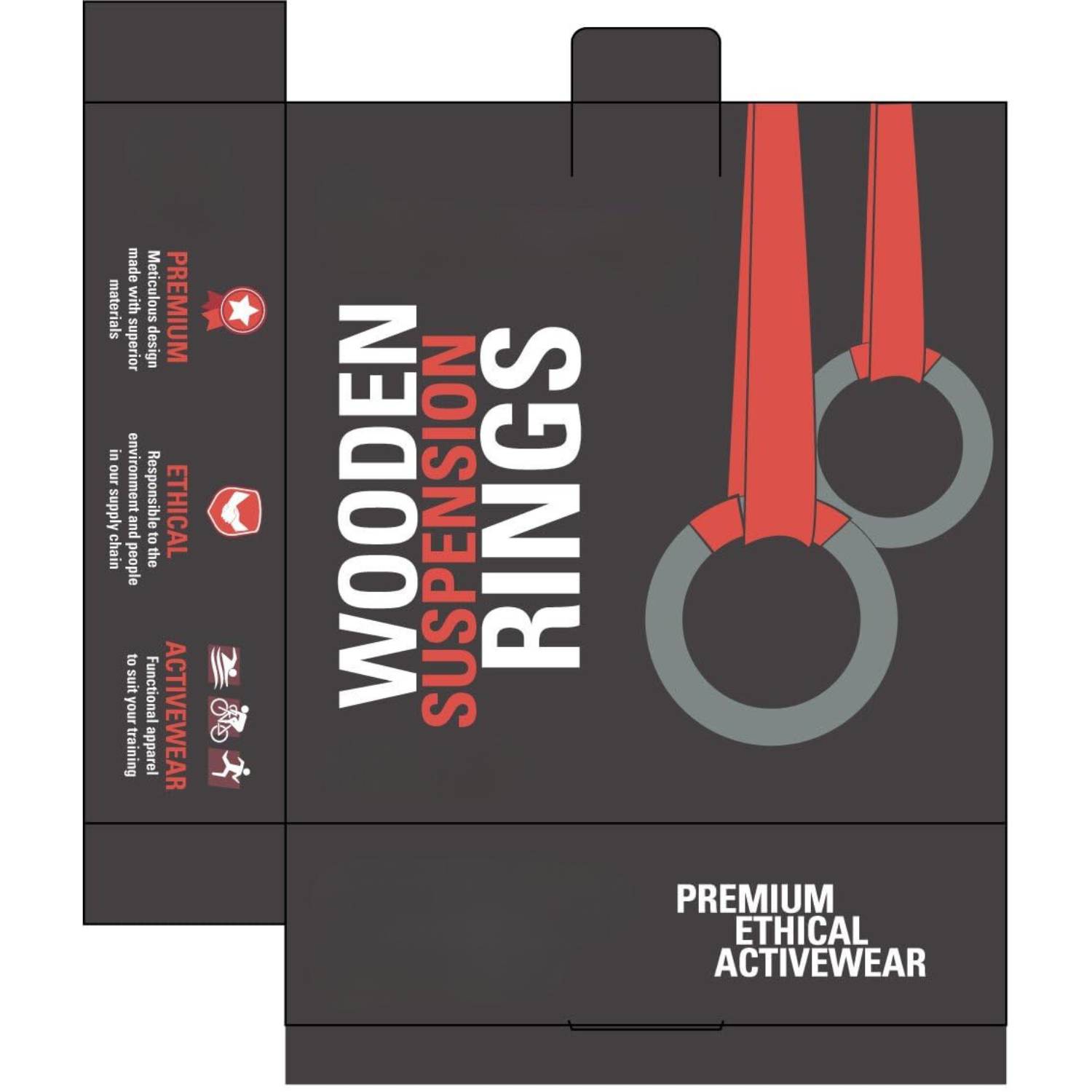
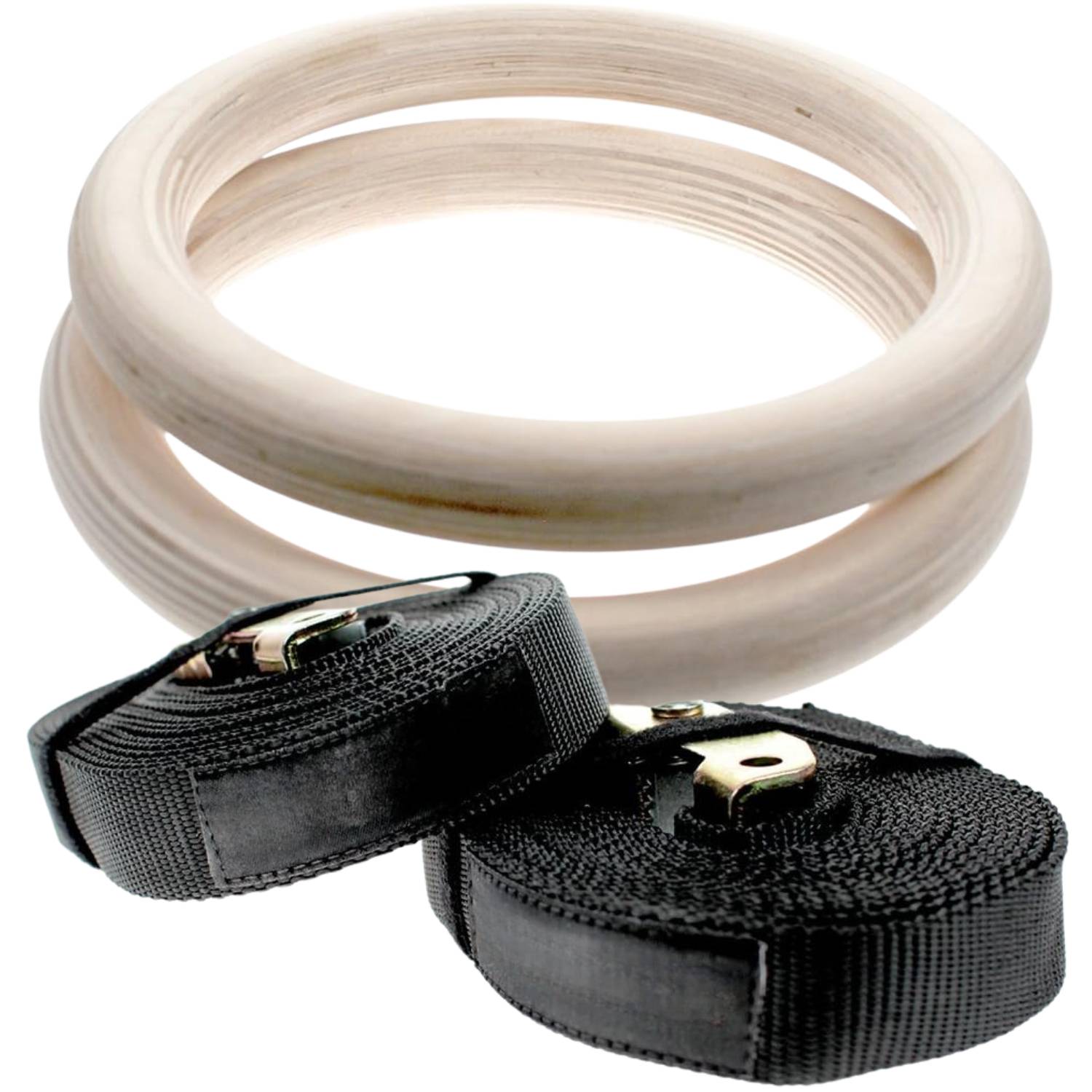
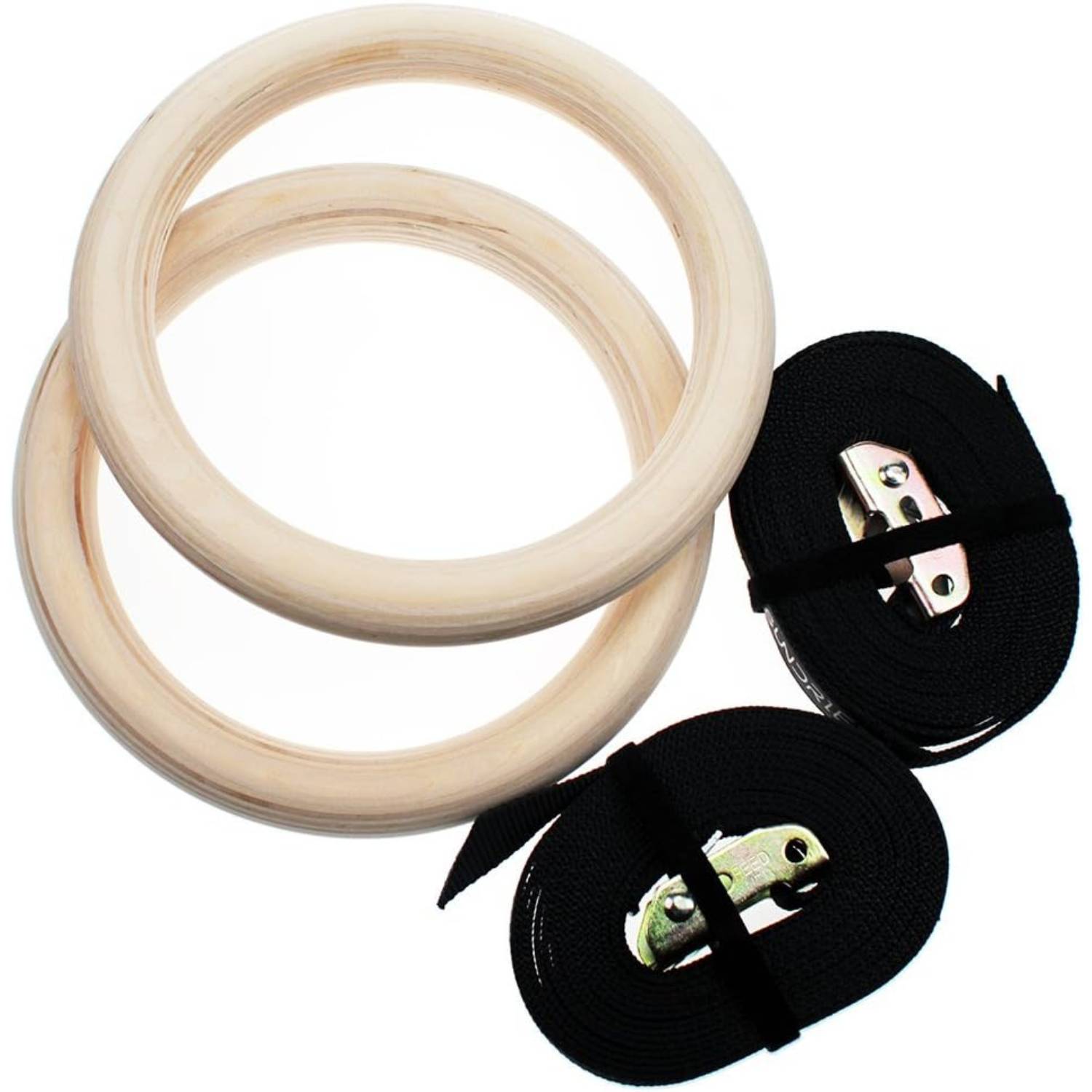
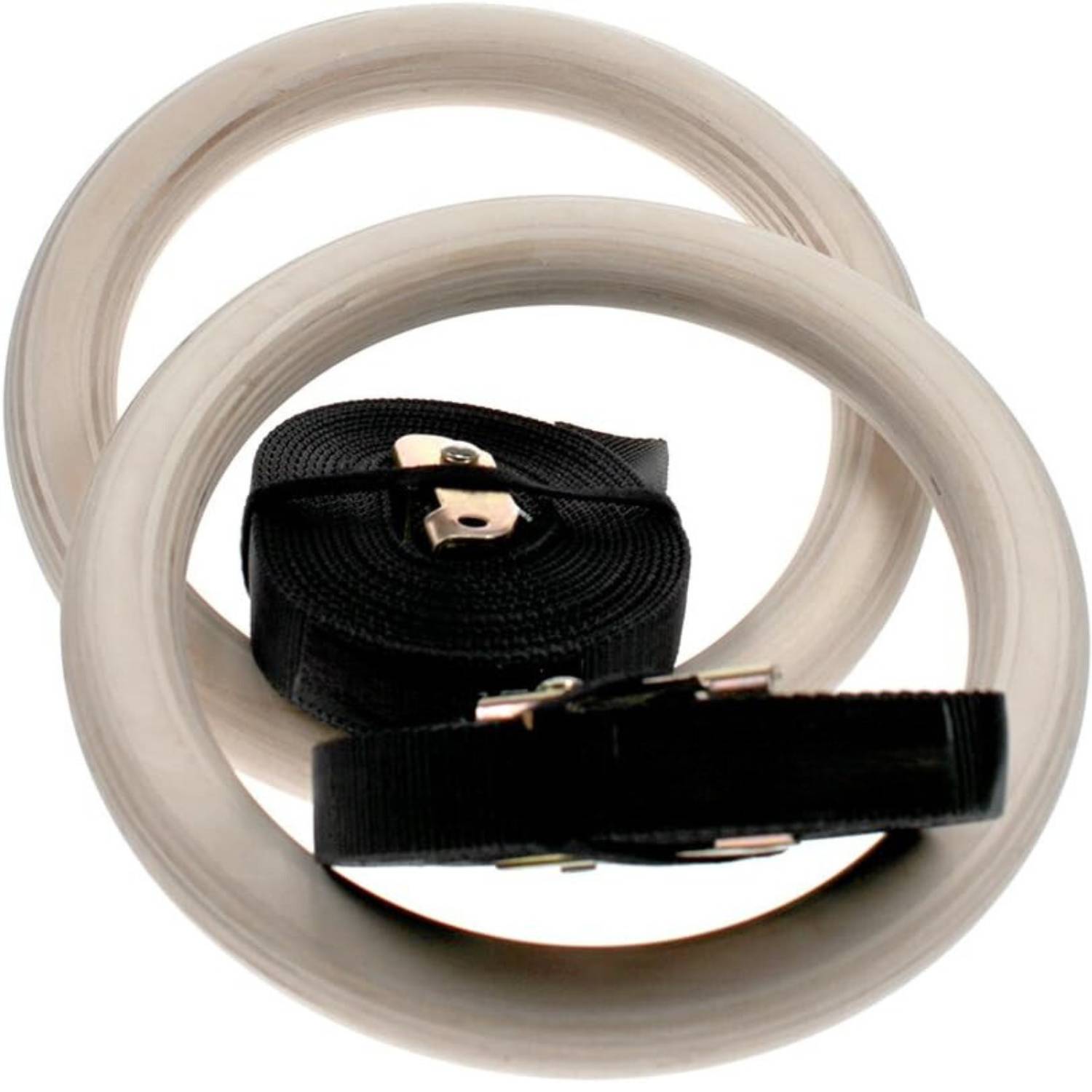
Each ring is rated to 225kg, which is far more than anyone reading this weighs.
That number is about the ring. The question that actually matters is what you hang it from, because a person swinging generates well over their standing weight, and the beam, bar or branch is what has to take that.
Beams and rafters. Check what the beam is doing structurally before you use it. A purlin or a joist under a floor is usually fine; a decorative beam bolted to a ceiling is not.
Pull up bars. Only if rated for dynamic load. A bar that is happy with pull ups can be unhappy with a swinging ring.
Branches. Live, thick, and inspected every time. Dead wood fails without warning, and it fails completely.
Height decides the exercise
This is the part most people underuse. One pair of rings covers a wide range of training, and all it takes is the buckle.
Low, at knee height. Rows with your feet on the floor, ring push ups, and the easiest way to learn to keep the rings still.
Mid, at hip height. Dips, tucks and support holds where you can bail onto your feet.
High, overhead. Pull ups, hangs, leg raises and eventually the work that people buy rings for in the first place.
Change it in a few seconds and you can run a whole session across all three.
Learning to keep them still
Rings feel unstable because they are, and that is the point.
Start every new exercise closer to the floor than you think you need. Turn the rings out at the top of a hold; that external rotation is what stops the wobble and it is the technique cue that makes everything else work.
Progress by moving your feet, not by adding weight. Feet further forward makes a row harder. That is the whole progression system.
Strap checks that take ten seconds
Look at the wear point. The bit that runs over the beam takes all the friction. Fluffing and fading there mean the strap is aging.
Take the slack out before you load. Buckles lock under tension, and a strap loaded from slack is a strap that can slip an inch and surprise you.
Protect the beam. A cloth between the strap and painted or soft wood saves the beam and does nothing to the rings.