


The complete guide
Hanging a heavy bag at home without regretting it
The mount is the whole decision
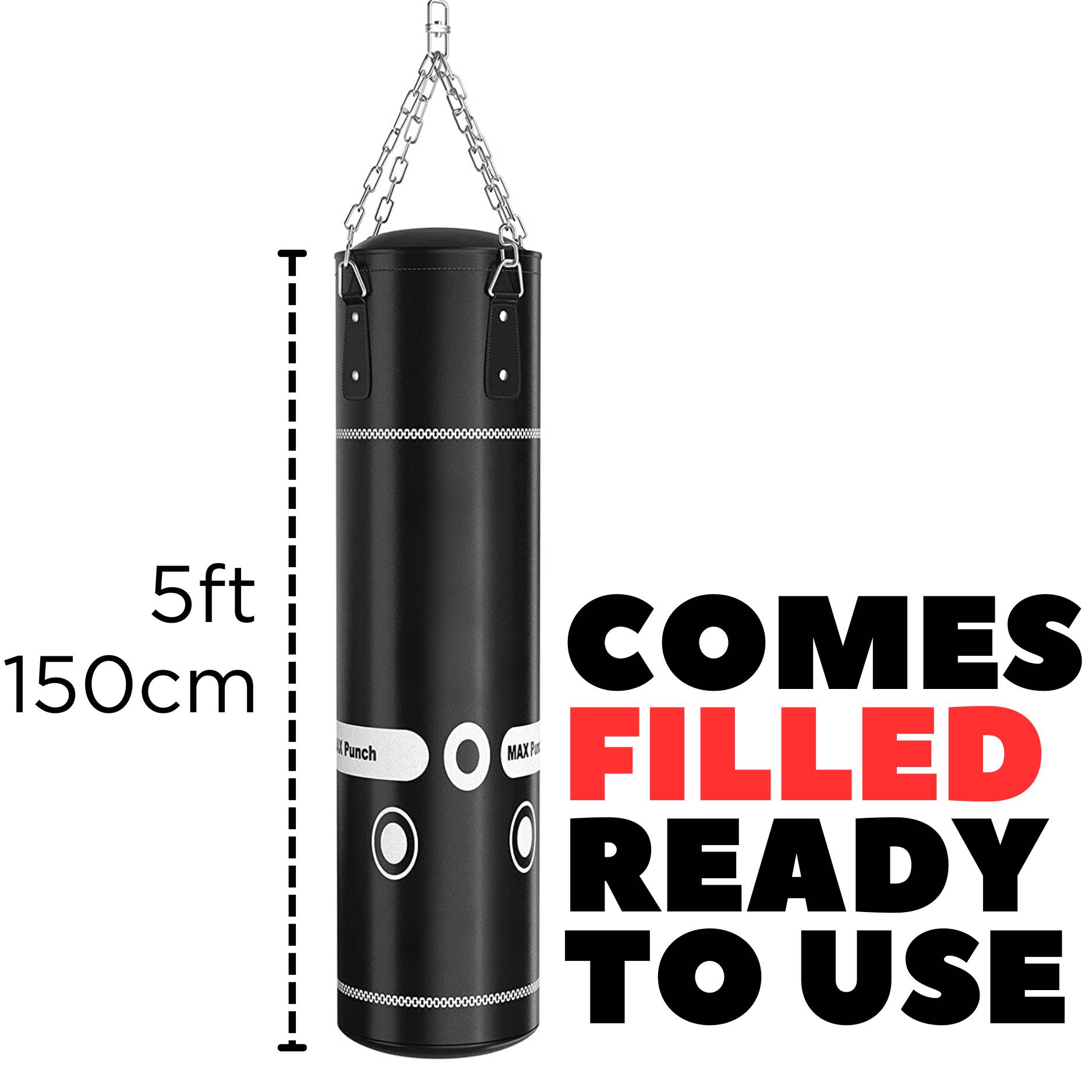
A filled 5ft bag is heavy standing still. Hit it and the load through the fixing is several times that, repeatedly, in different directions.
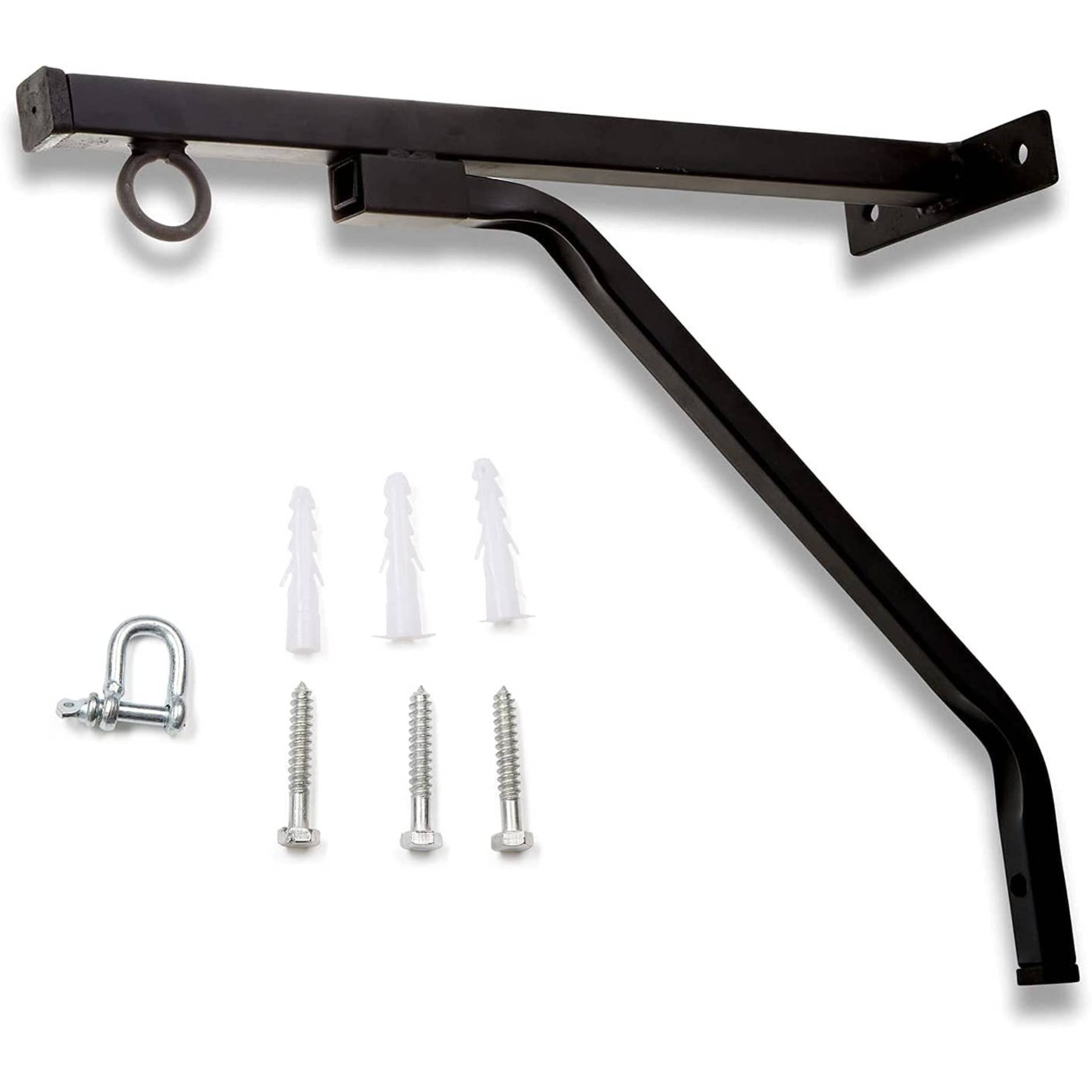
Structural only. A joist, a rafter, a beam, or a wall bracket bolted into masonry. Not plasterboard, not a suspended ceiling, not a decorative beam.
Rated hardware. The bracket, the bolts and the swivel all have to be rated for a dynamic load, not a static one.
Check where it lands. A bag swings in a circle. Map that circle before you drill, and include the door.
Why noise matters more than you think
The reason most home bags stop being used is not the training. It is the racket.
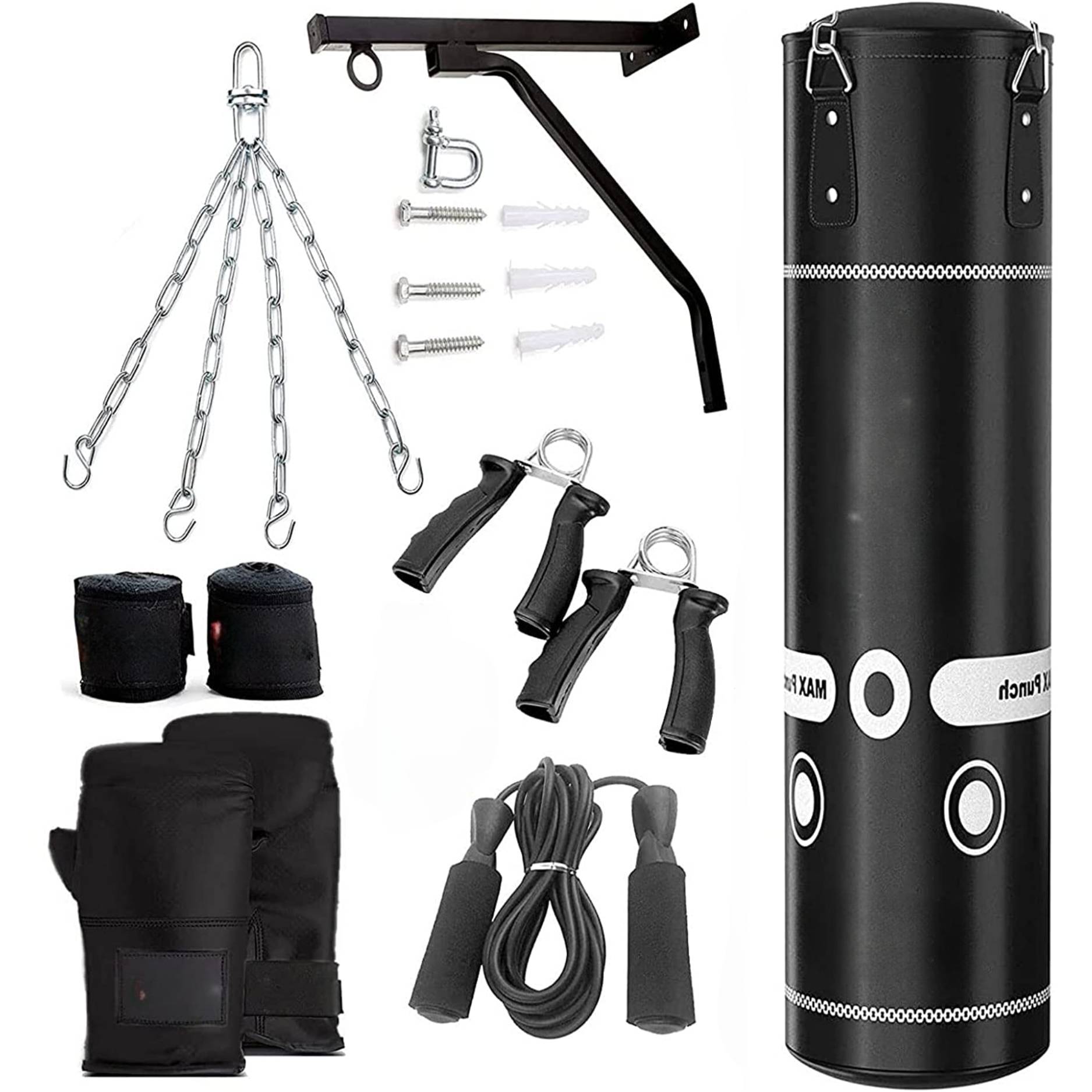
A traditional hang transmits every impact into the structure, which travels through a house. A steel suspension system with a pivot damps a lot of that, which is what makes evening sessions possible when other people are in.
If you are in a flat, still think carefully. Quieter is not silent.
Using it properly
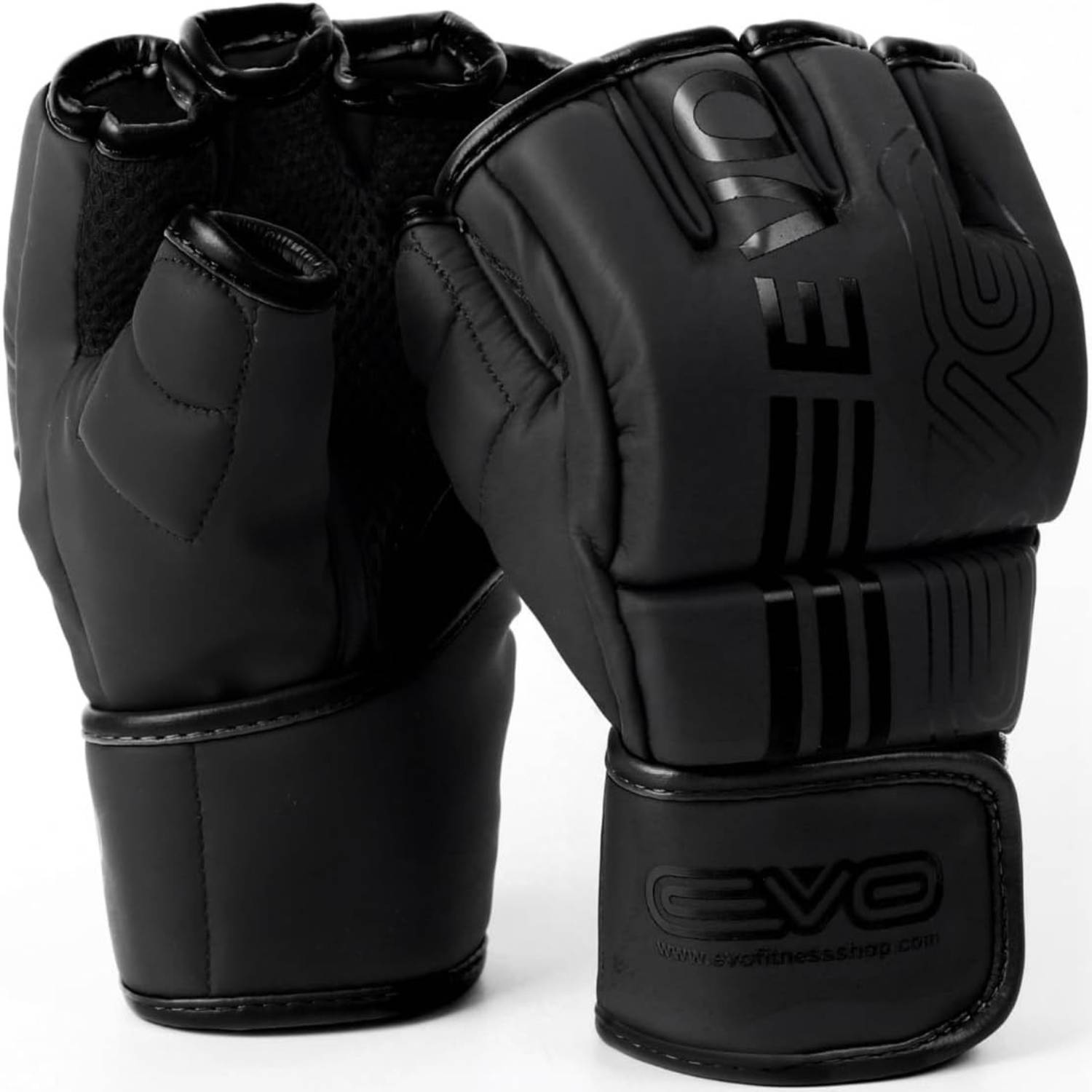
Wrap and glove up, every time. The bag is forgiving. Your metacarpals are not.
Work distance first. Stand where you can just touch it with a straight arm. Most beginners stand far too close and end up pushing rather than punching.
Hit through, not at. A bag that swings wildly is usually being pushed. Snap the shot and bring the hand back, and the bag moves less and you learn more.
Move. The single best thing about a hanging bag is that it comes back. Use that: hit, move, hit from a new angle.
Keeping it in shape
Rotate it. A quarter turn every few weeks stops one side taking every shot.
Wipe it. Sweat on synthetic leather works into the stitching.
Check the hardware monthly. Chains, swivel and bracket bolts. Two minutes, and it is the check that stops the failure everyone remembers.