

The complete guide
Getting a garden pitch that actually gets used
Setup time decides everything
The single biggest predictor of whether football equipment gets used is how long it takes to get out.
Under a minute and it happens after school, in the twenty minutes before dinner, on a whim. Over ten minutes and it happens on a planned Saturday, twice a summer.
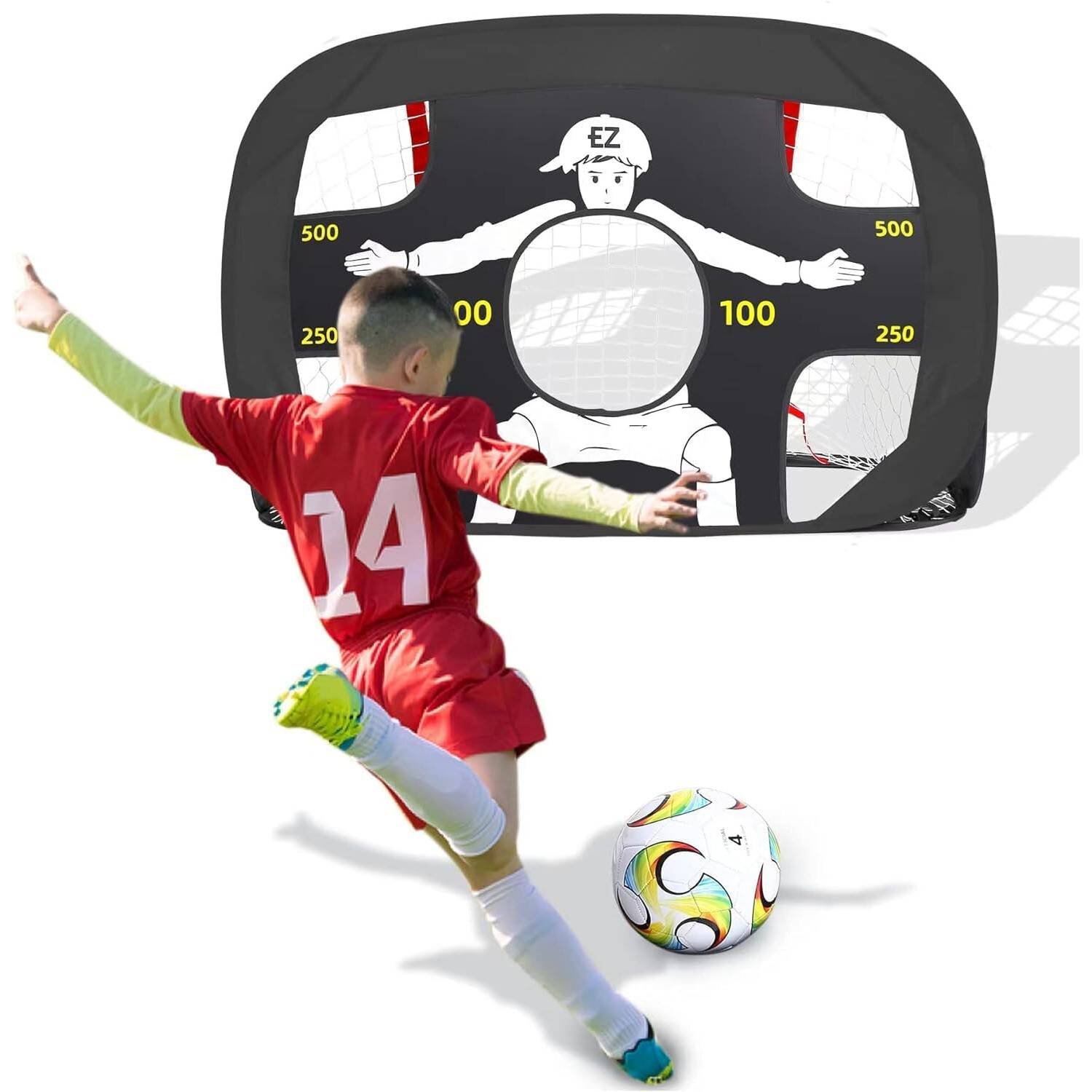
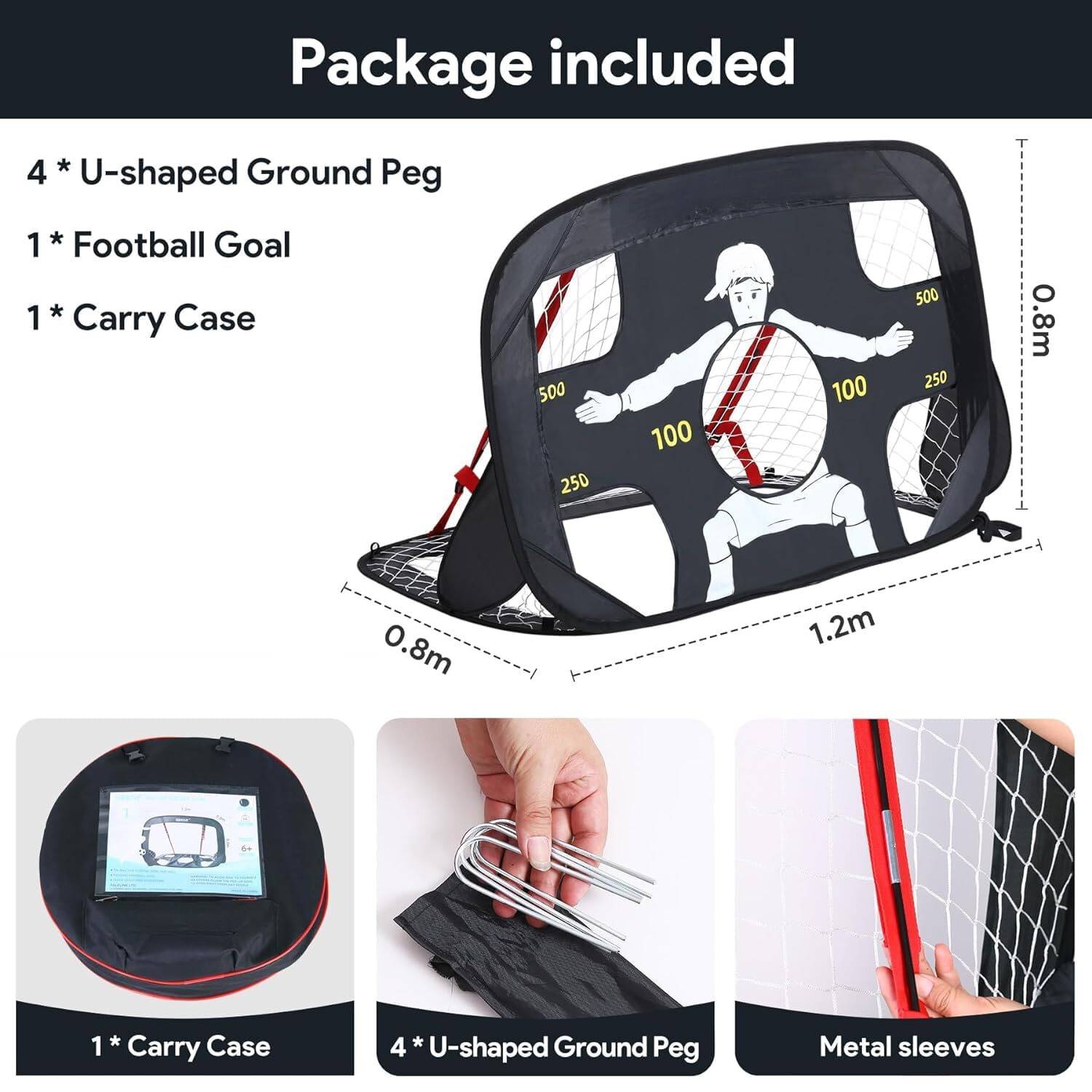
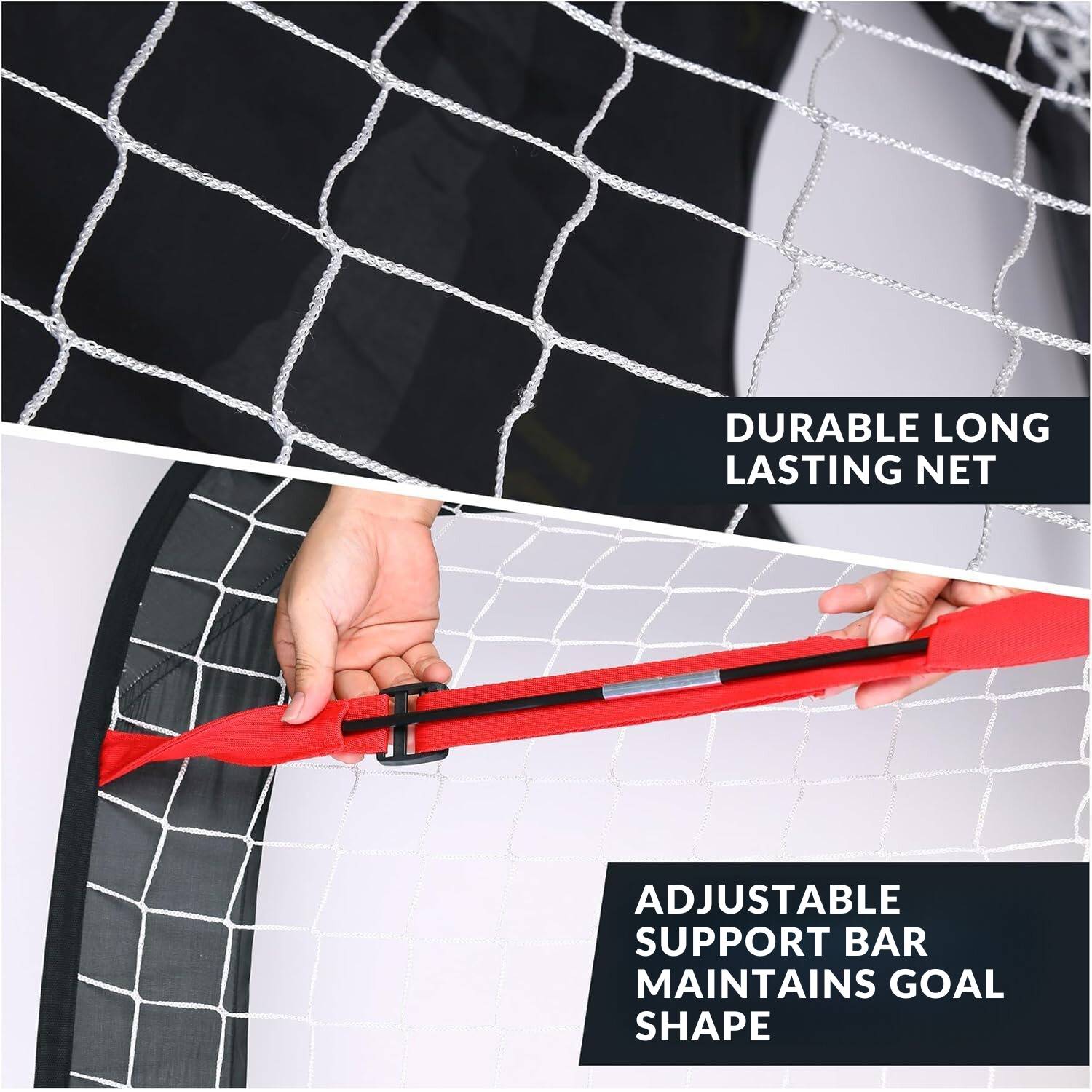
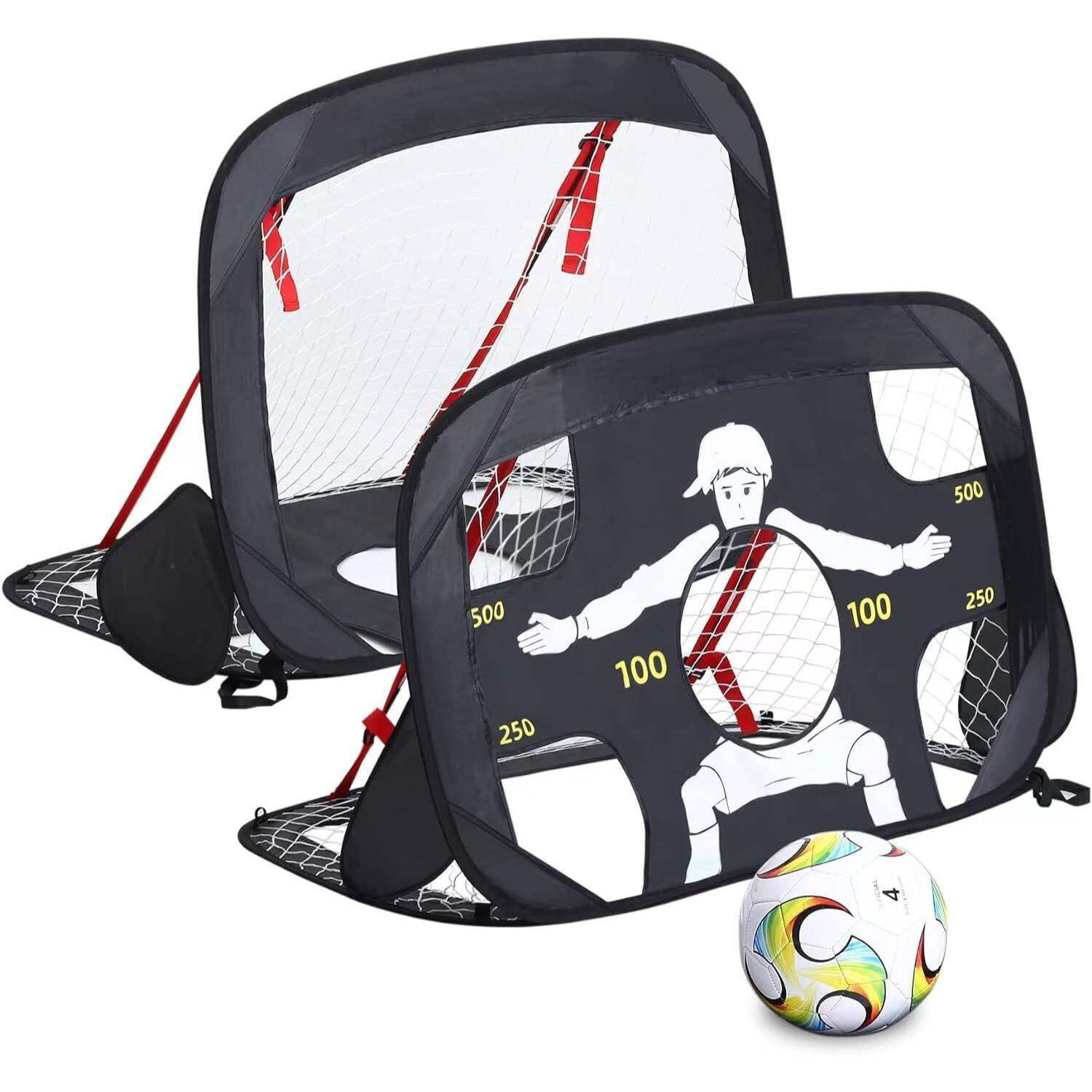
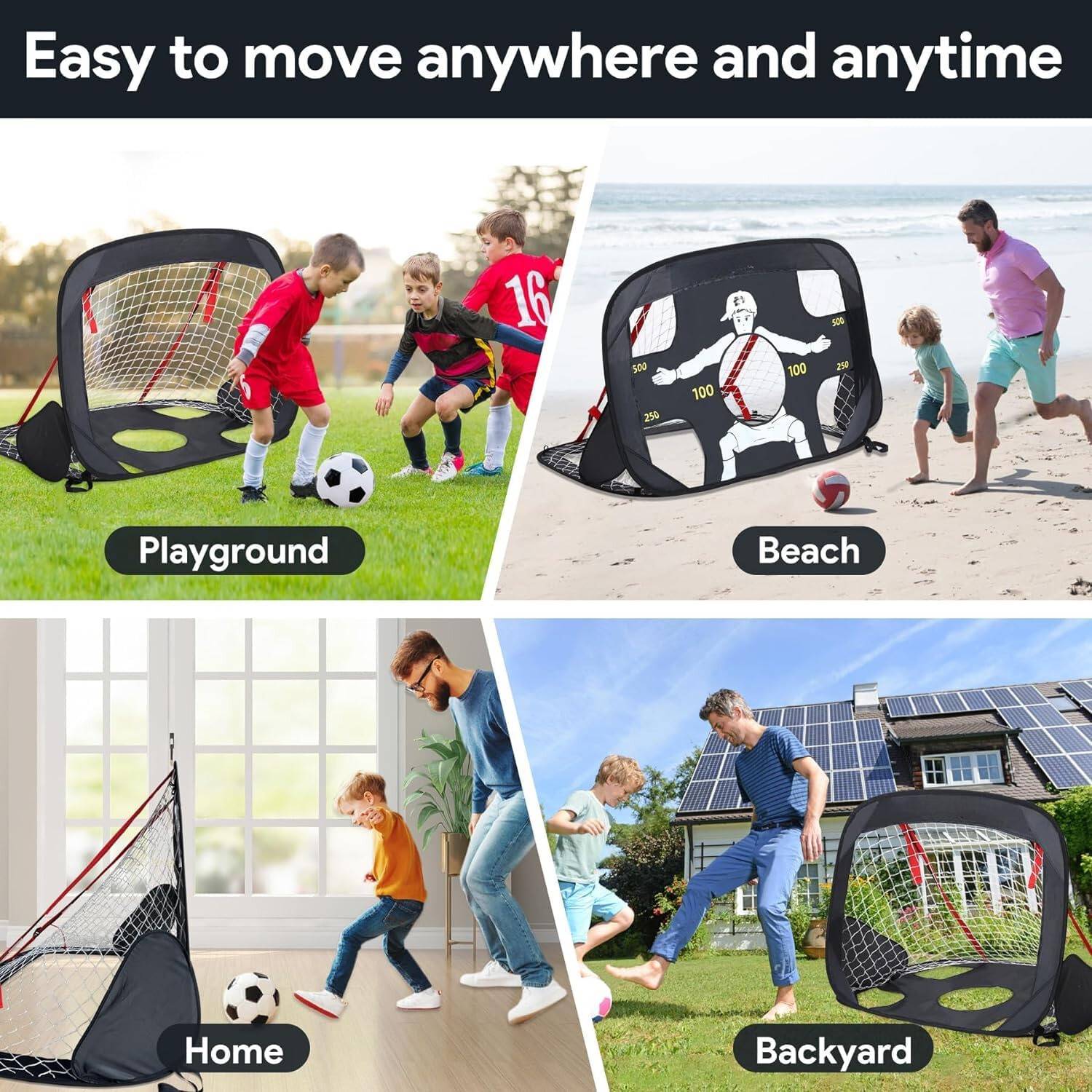
Pop up goals sit firmly in the first category, and that is the whole argument for them over a rigid frame goal.
Placing them so the game works
Point the goals away from the house. Obvious, routinely forgotten, and the reason for most broken windows.
Use the length of the garden, not the width. More running, fewer arguments about out of play.
Leave a run behind each goal. Balls go past goals. Somewhere for them to stop that is not a flowerbed is worth planning.
Move them when the grass wears. Two worn patches in front of two goals is inevitable; moving the goals a metre every few weeks spreads it.
Wind, which is the only real enemy
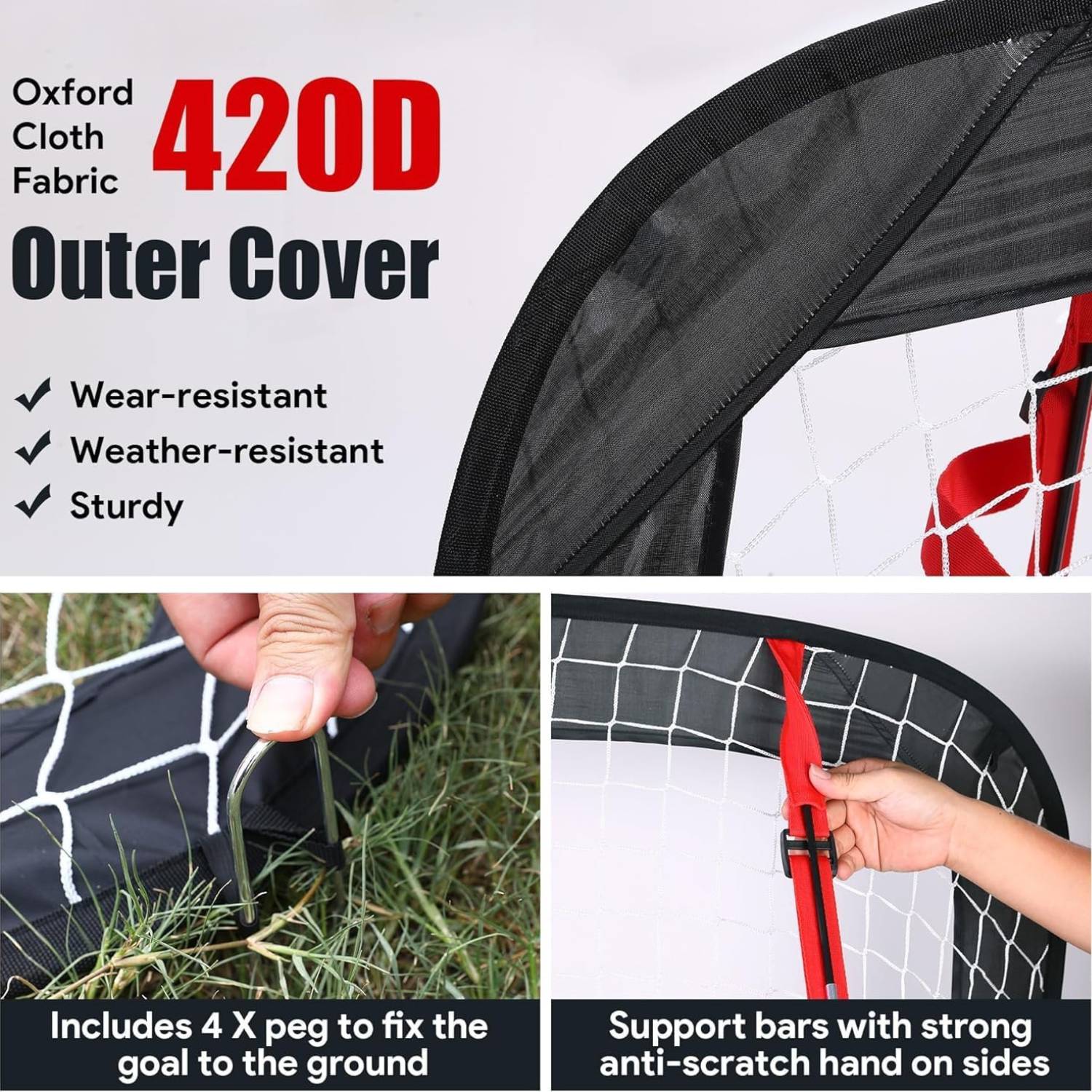
A light goal in a breeze travels. Peg it on grass, weight it on a hard surface, and on a genuinely windy day accept that a pop up goal is not the right tool.
Weighting does not need to be clever. A bag on each base corner does it.
Drills that need one goal, not two
Not every session is a match.
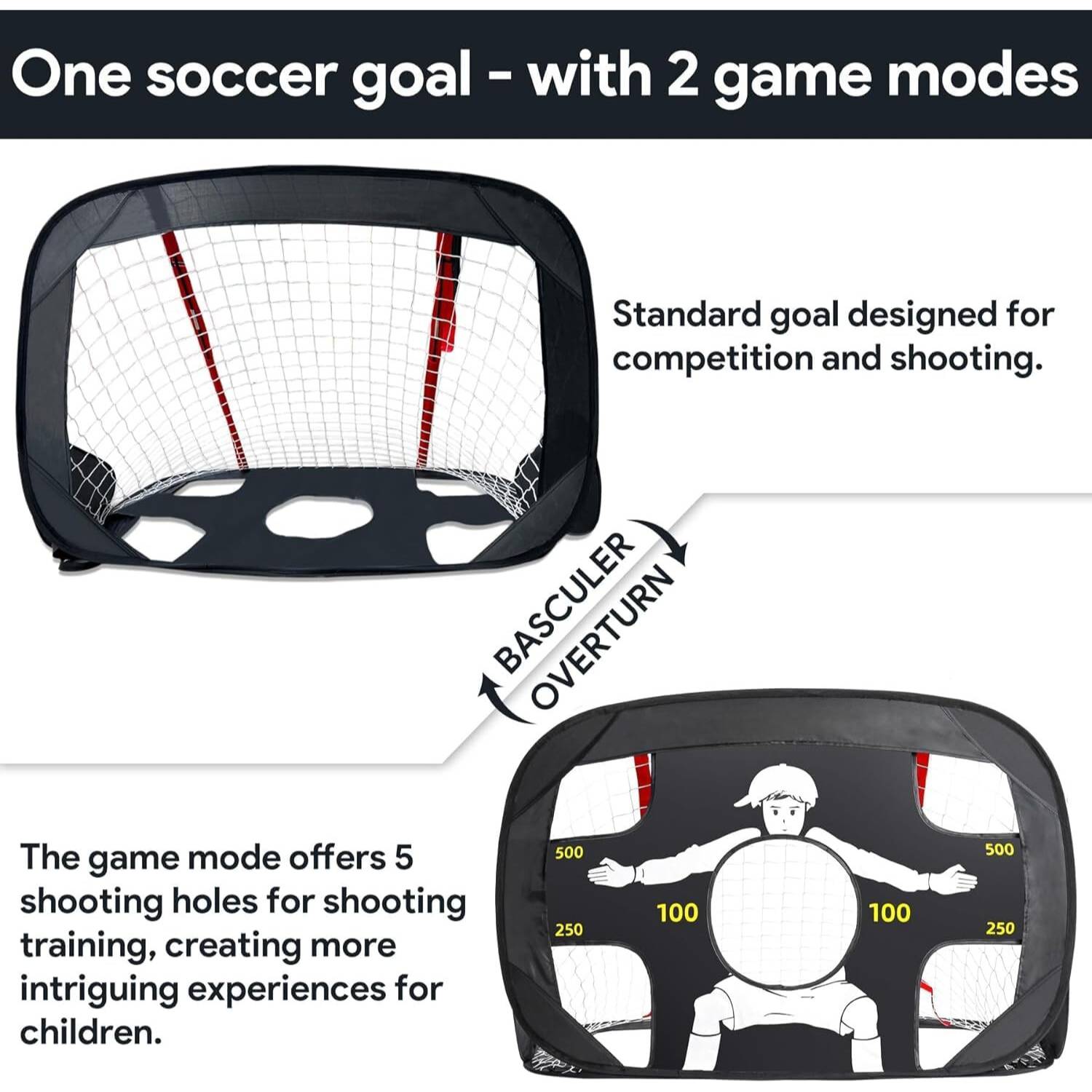
Shooting from a set position. Ten from the left, ten from the right, count them.
Two touch finishing. One touch to set, one to shoot. It is the drill that most improves a young player's finishing.
Goal as a target for passing. Put it on its side and hit it from twenty metres.
Making them last
Dry before bagging. Every time.
Learn the fold once, properly. From the instructions, not from wrestling it. Every dead pop up product died this way.
Keep studs off the fabric on the ground. The ball will not damage 420D. A boot will.