
The complete guide
Holding pads well, which is most of the value
The holder is the coach
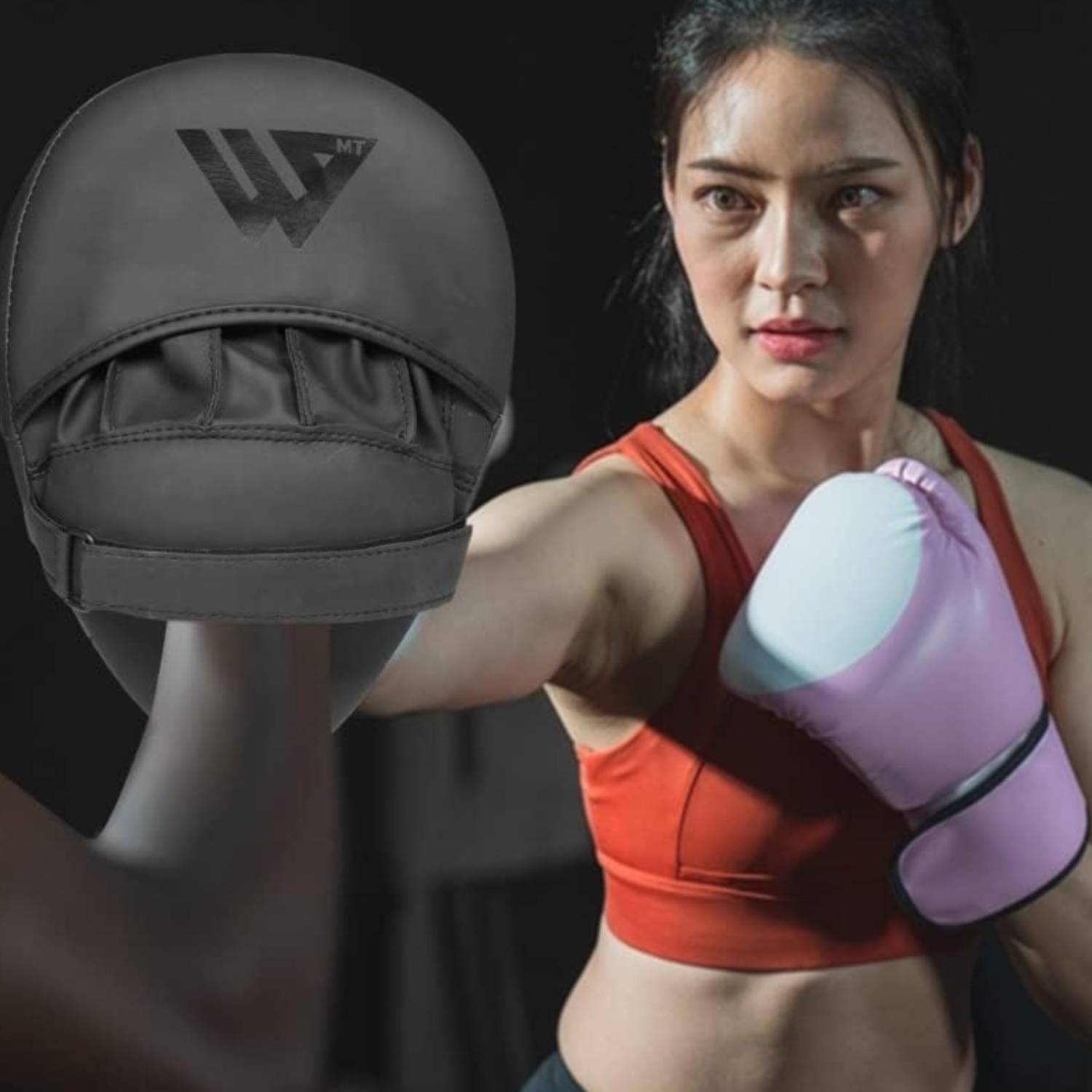
Anyone can stand and let someone hit two cushions. What makes pad work worth doing is that the holder controls the whole session: the pace, the distance, the combinations and the corrections.
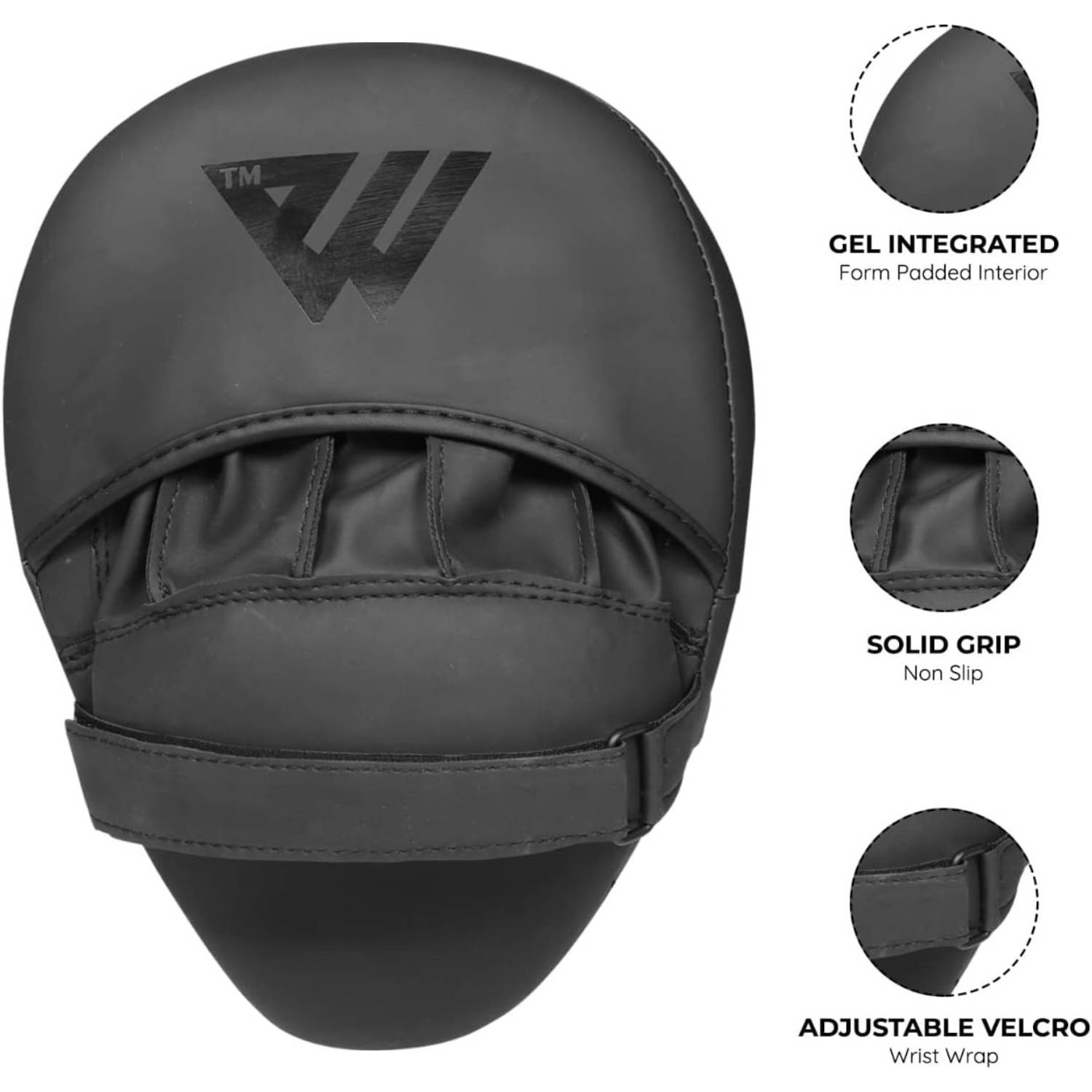
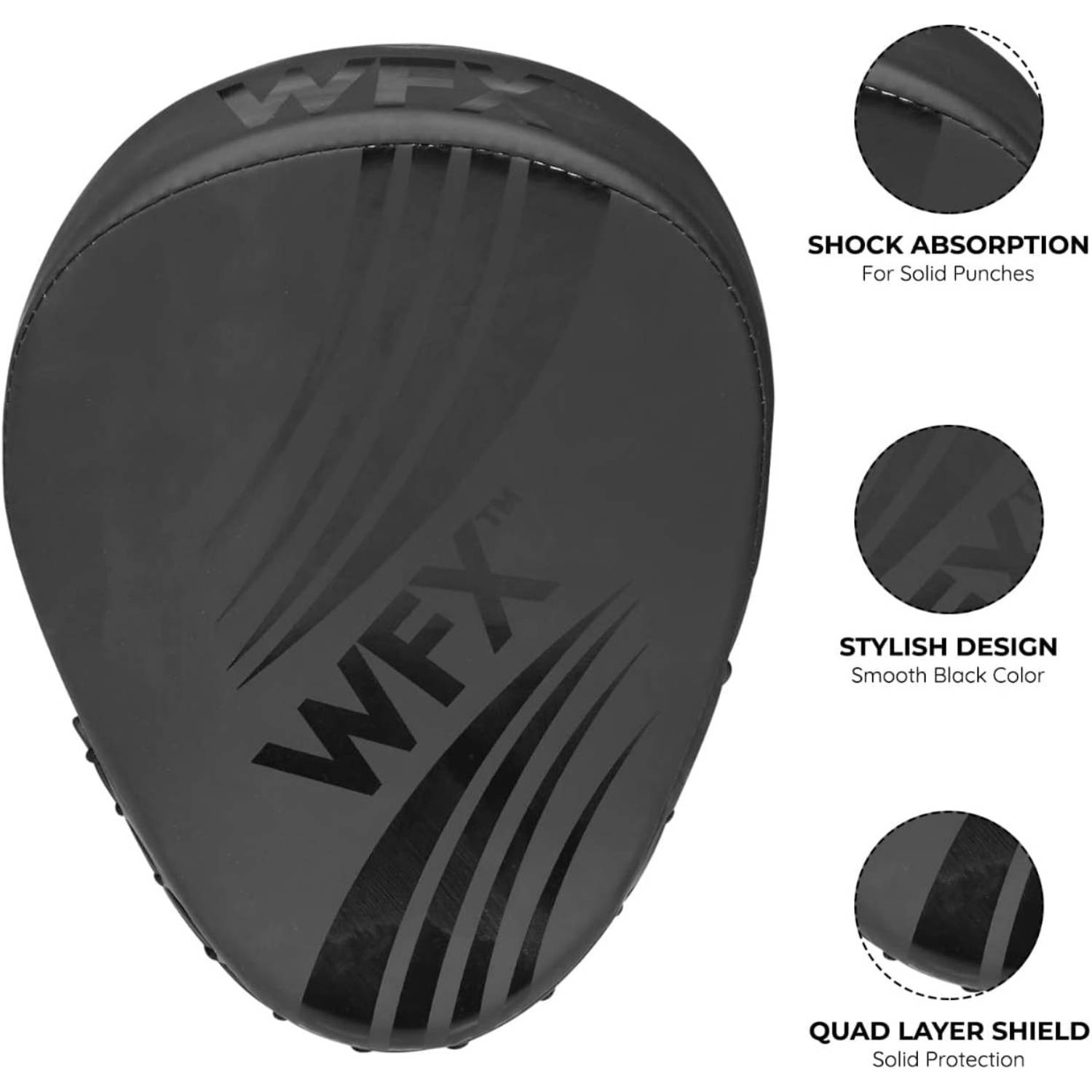
That means the equipment has to protect the holder first, which is why the padding and the stitching are the specs that matter more than the face design.
The four rules that stop injuries
Meet the punch. Push the pad slightly towards the incoming shot. A pad held passively takes the whole impact into your joints.
Elbows in, not out. An arm held wide is a lever that ends at your shoulder.
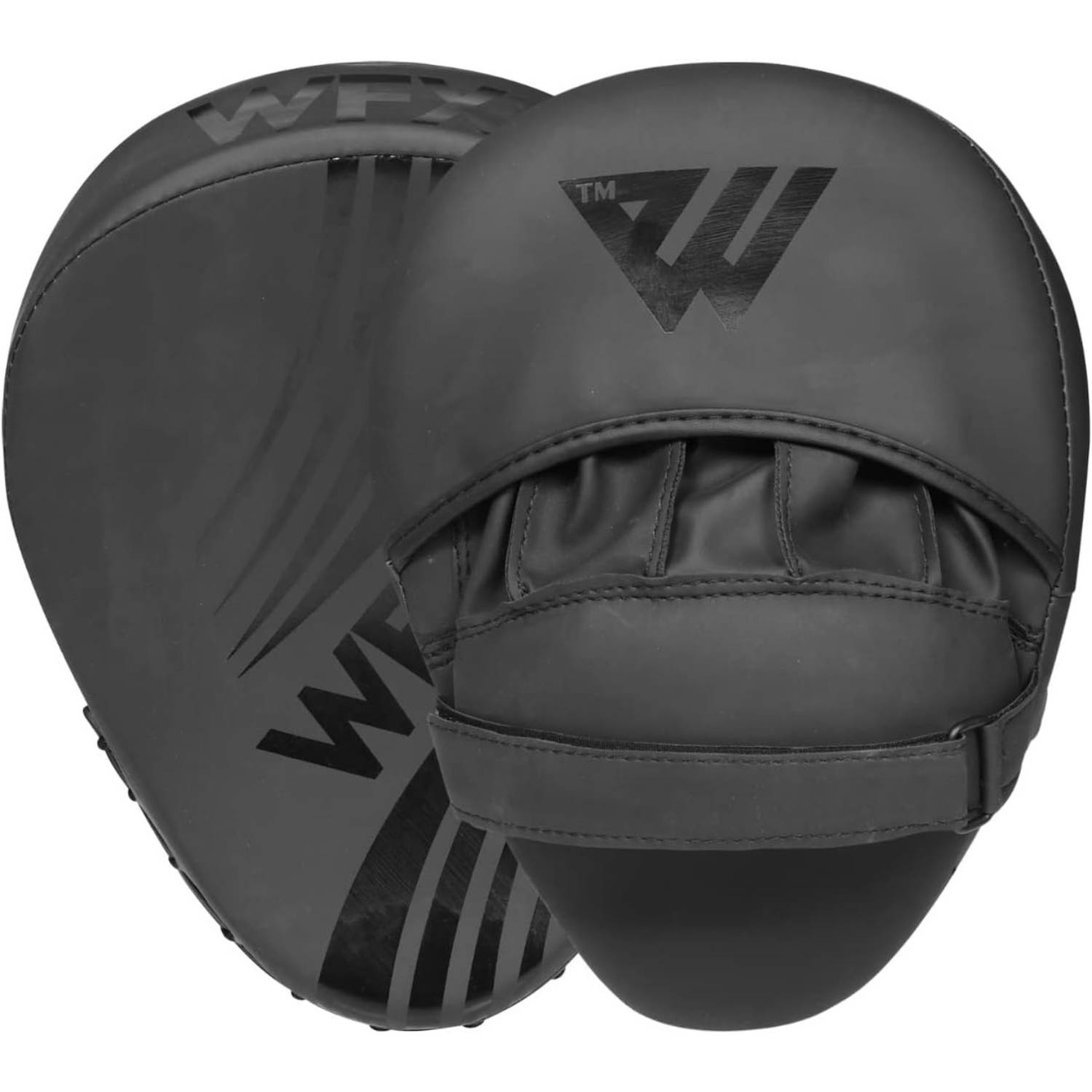
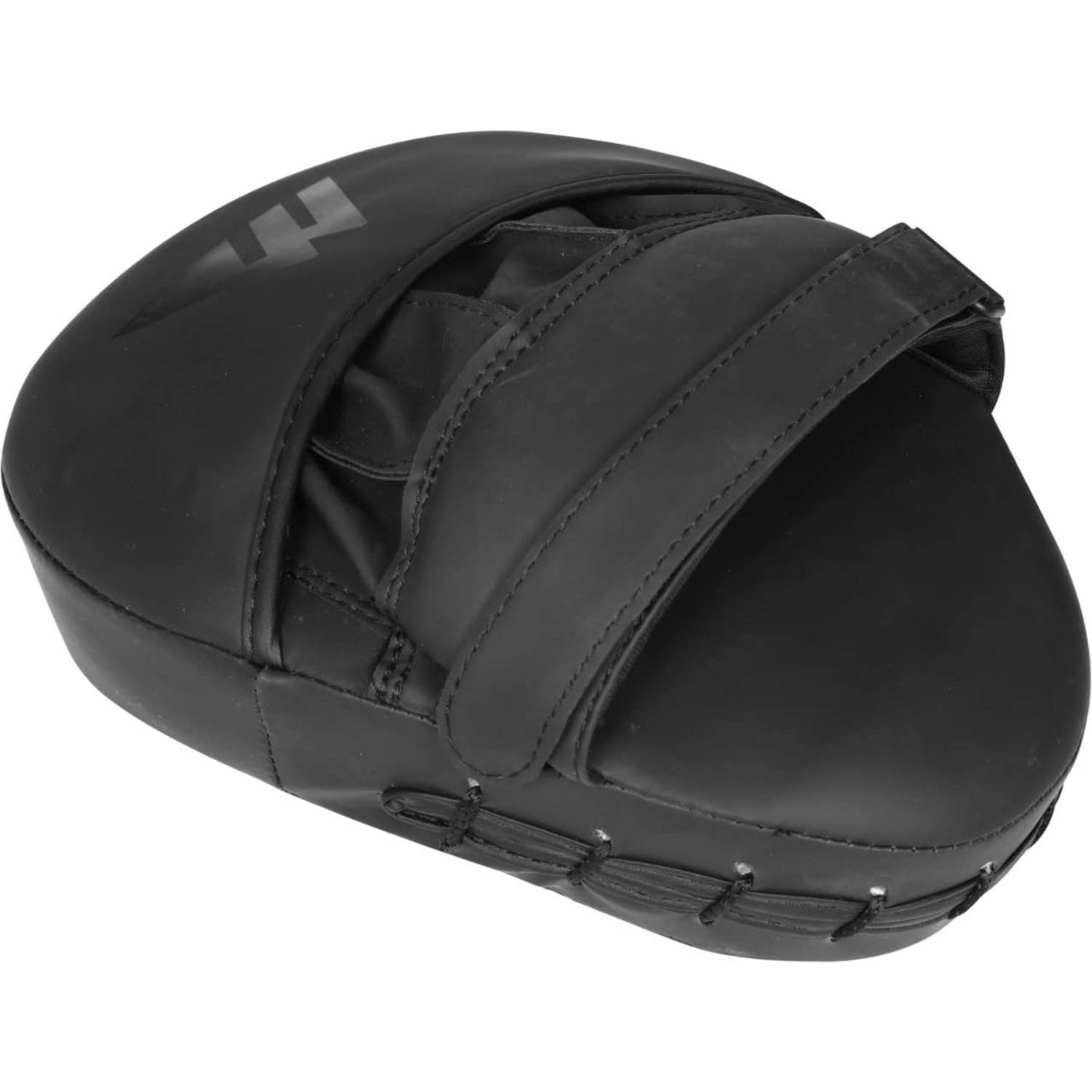
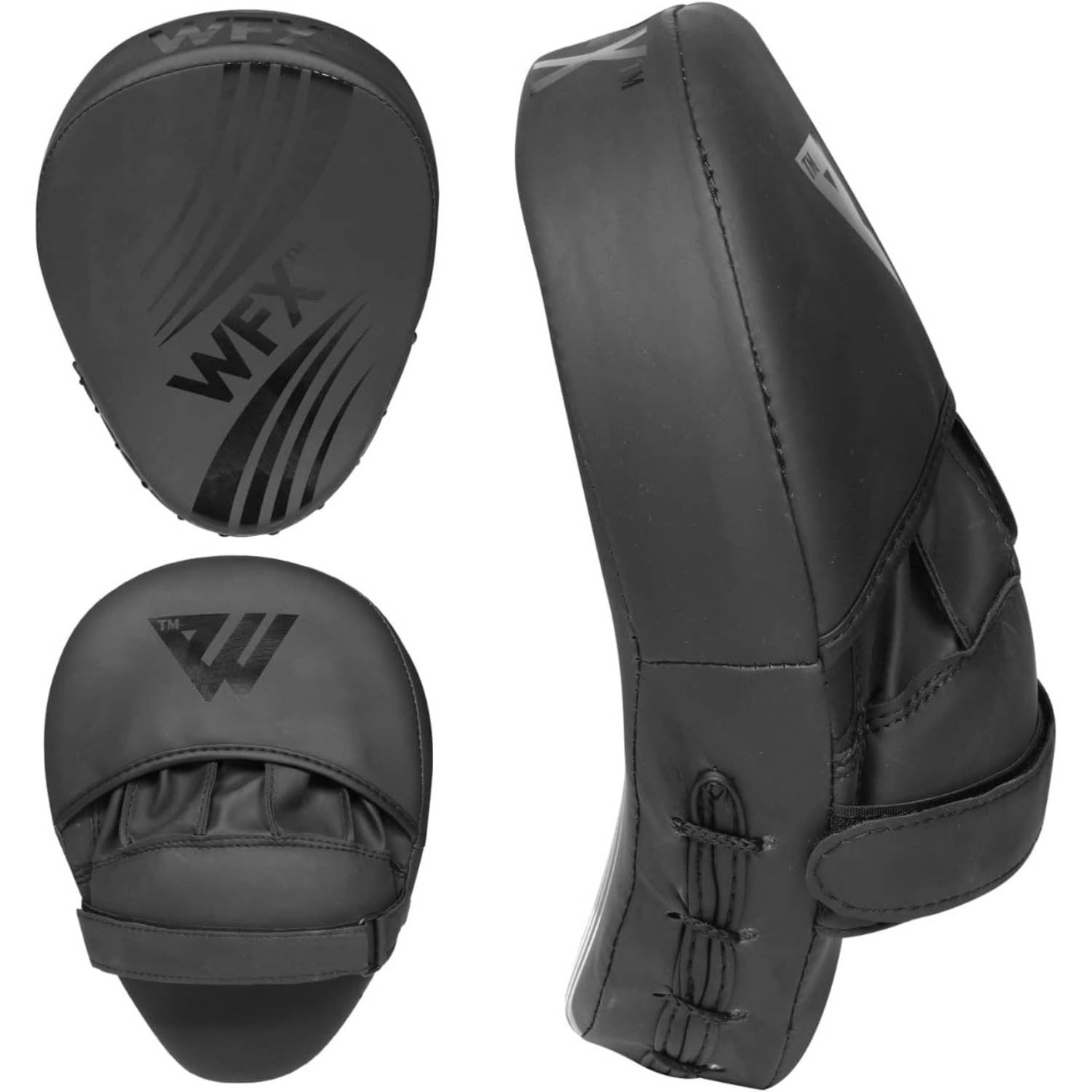
Present the pad square. A pad at an angle sends the force sideways across your wrist. The contour is there to let you square up without twisting.
Call before you hold. Every combination announced before it lands. Surprises are how holders get hit.
Building a round that teaches something
Start every round with singles: jab, jab, jab. It sets distance for both people.
Add one shot at a time. One-two, then one-two-hook, then the same with a slip in it. Combinations built up in front of someone are learned faster than combinations shouted from a list.
Move between combinations. A holder who steps back, steps in and circles makes the puncher move their feet, which is the thing nobody practises voluntarily.
Finish with something easy. Ending a round on a combination that lands cleanly is worth more for the next session than ending it on a mess.
Making pads last
Air them out of the bag. Immediately, every time. This is the single thing that decides how long a pair lasts.
Wipe the face. Damp cloth, no soaking. Water inside a pad never fully leaves.
Dry away from heat. A radiator dries PU faster than it should, and dried PU cracks at the fold.
Watch the seams. Fraying stitching at a strap anchor is the early warning. Caught early it can be restitched, ignored it becomes a torn pad in the middle of a round.