

The complete guide
Practising the shots that actually cost you strokes
Where the strokes go
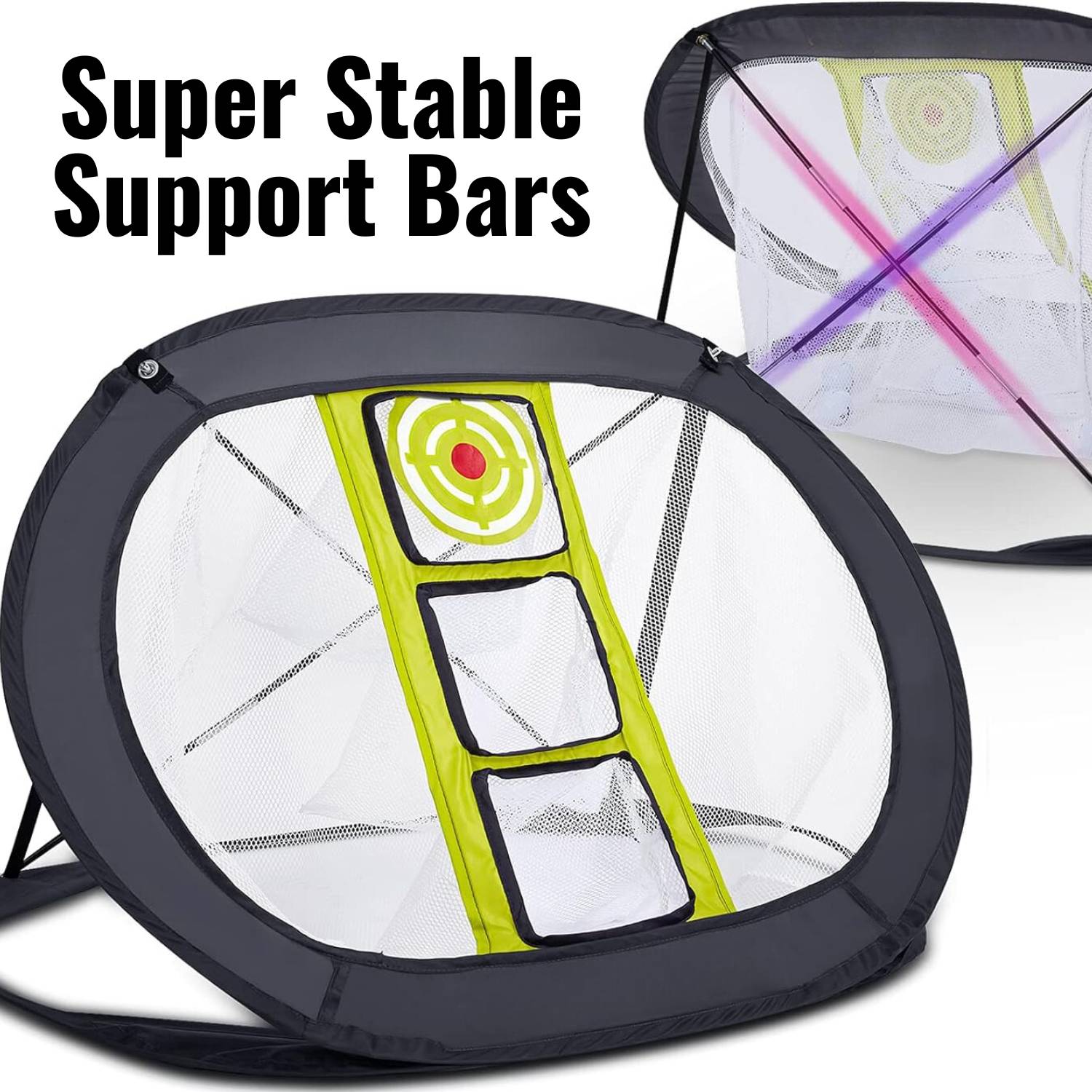
Keep an honest card for three rounds and count the shots played from inside forty metres. For most club golfers it is a third of the round, sometimes more.
Now count the hours spent practising them. Usually close to none, because a driving range bay points at 250 metres of net and everyone hits driver.
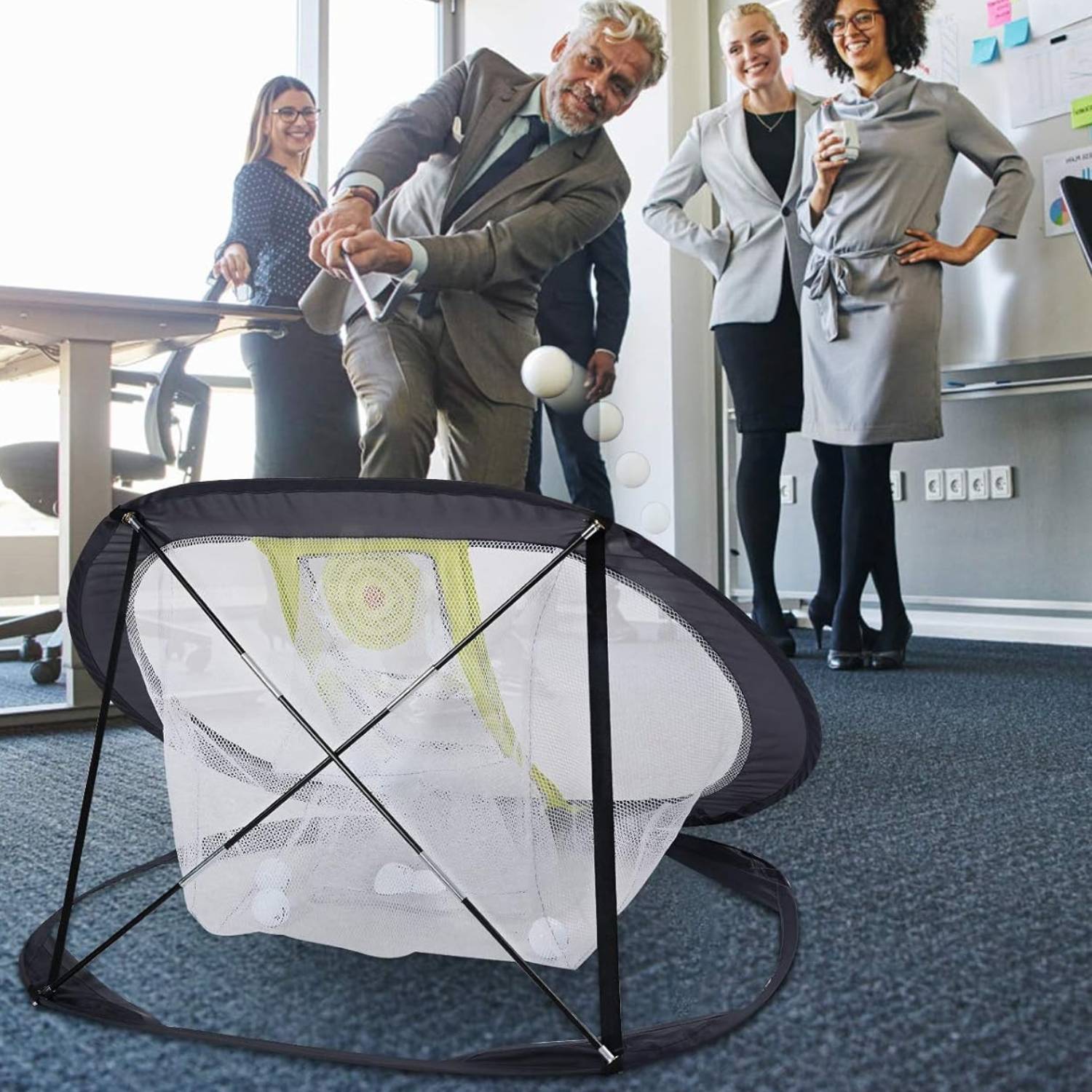
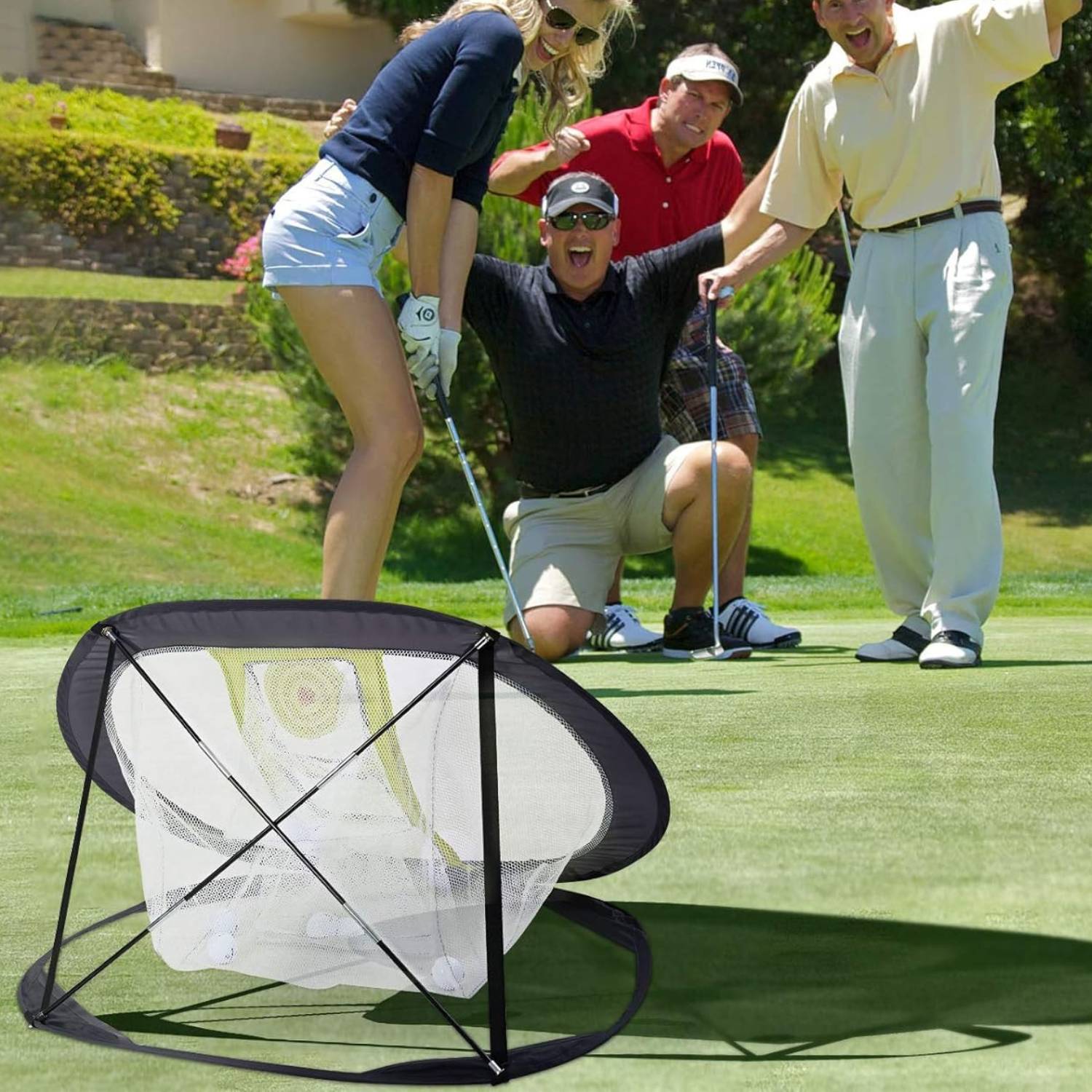
A chipping net moves that practice into the garden, which is the only place most people will ever do it regularly.
Why three targets beats one
A single hole trains one thing: hit it at the net.
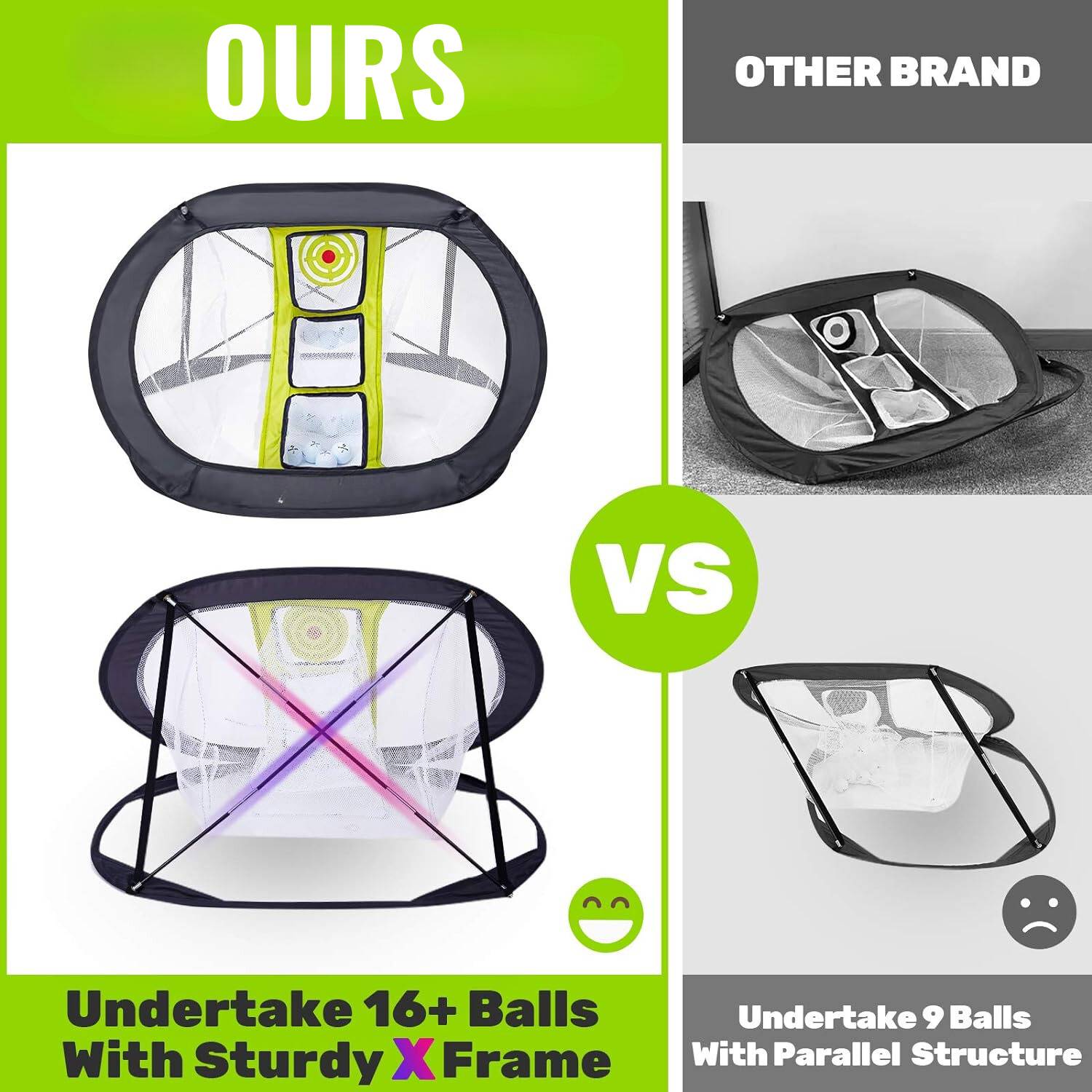
Three targets forces the decision that chipping actually requires. Which landing zone, how much roll, which club. That is the thought process on the course, and it is the thing that does not develop by hitting ten identical shots at the same opening.
A practice routine that works
Ten at one target. Count how many land in it, not how many are close.
Change target, ten more. Same club. You are now controlling distance rather than direction.
Change club, repeat. A wedge and an 8 iron land in completely different places from the same swing, and knowing which is which is most of the short game.
Finish with five under pressure. Say out loud that you will not stop until three in a row land in the middle target. That last bit is the part that transfers to a Sunday medal.
Setting it up so it survives
Flat ground. Spring frames stand square on flat ground and lean on slopes.
Weight the base if it is breezy. A light net catches wind exactly like a sail.
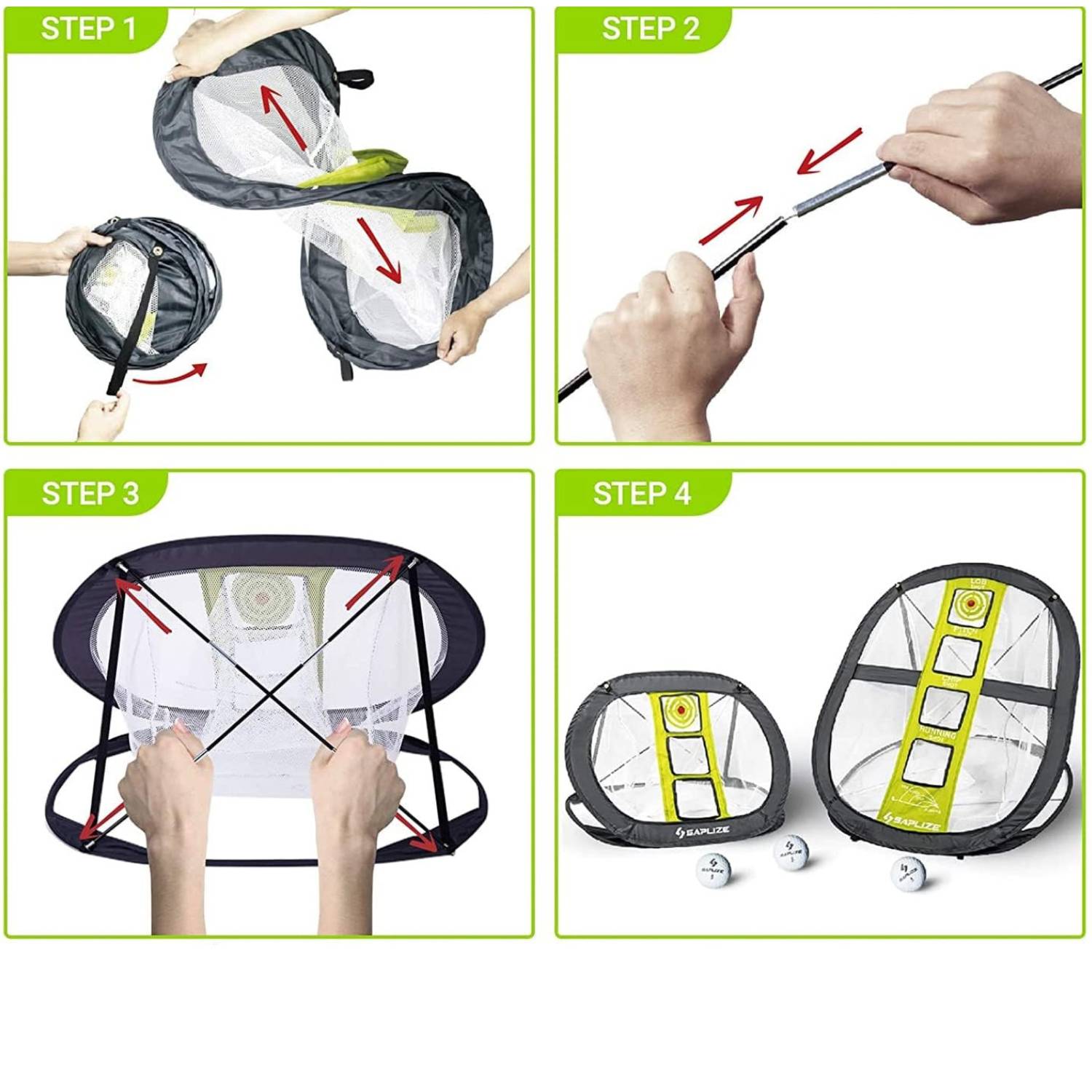
Learn the fold from the instructions. Once. Every kinked pop up net in every garage was folded by someone who did not.
What it is not
It is not a driving net. A full shot carries several times the energy of a chip, and the frame is not built for it.
If you want to hit full shots at home, that is a different product with a different frame, and the mat is the piece you would share between the two.