

The complete guide
What a neck guard does, and what certification means
Two different products with one name
"Neck guard" covers two things that are not the same.
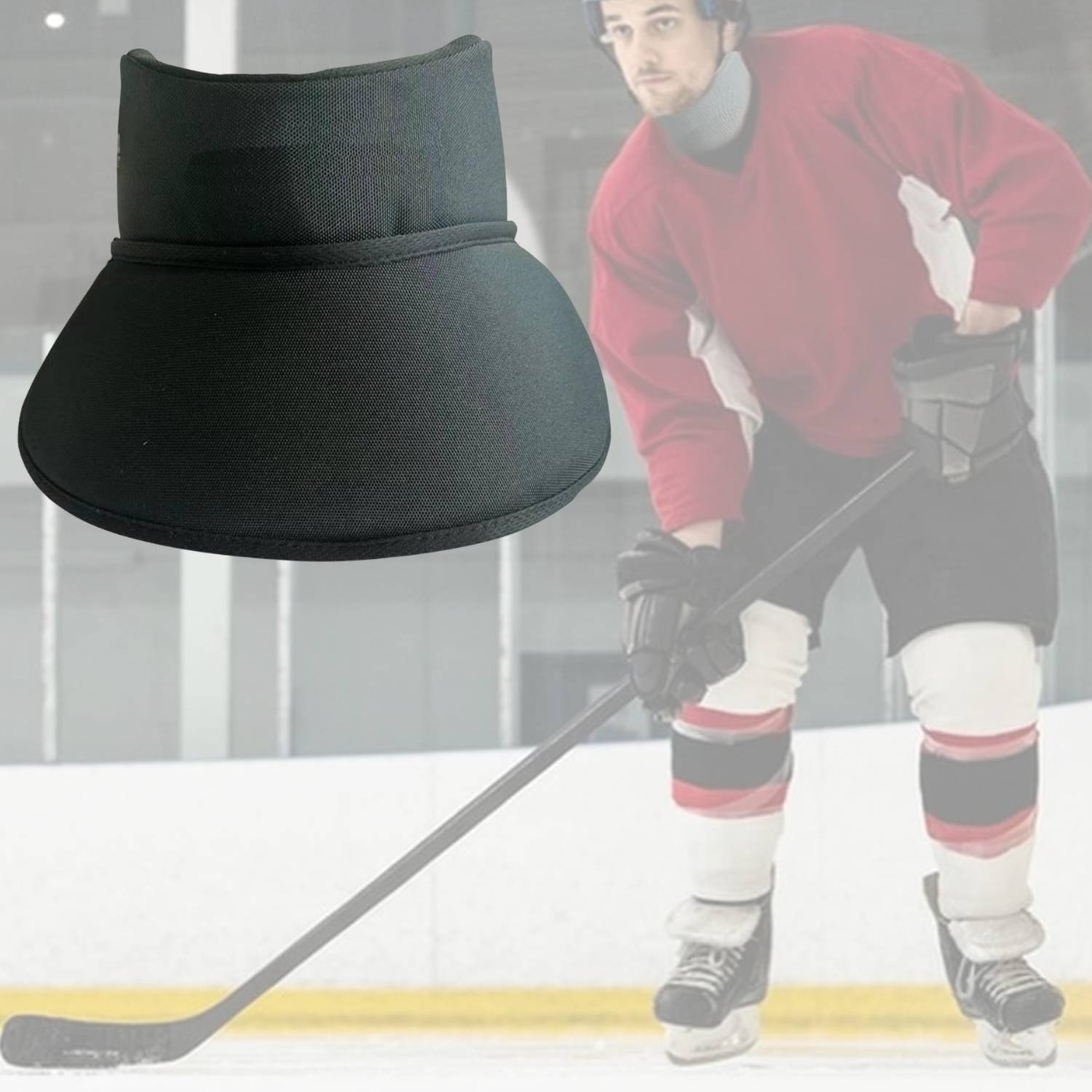
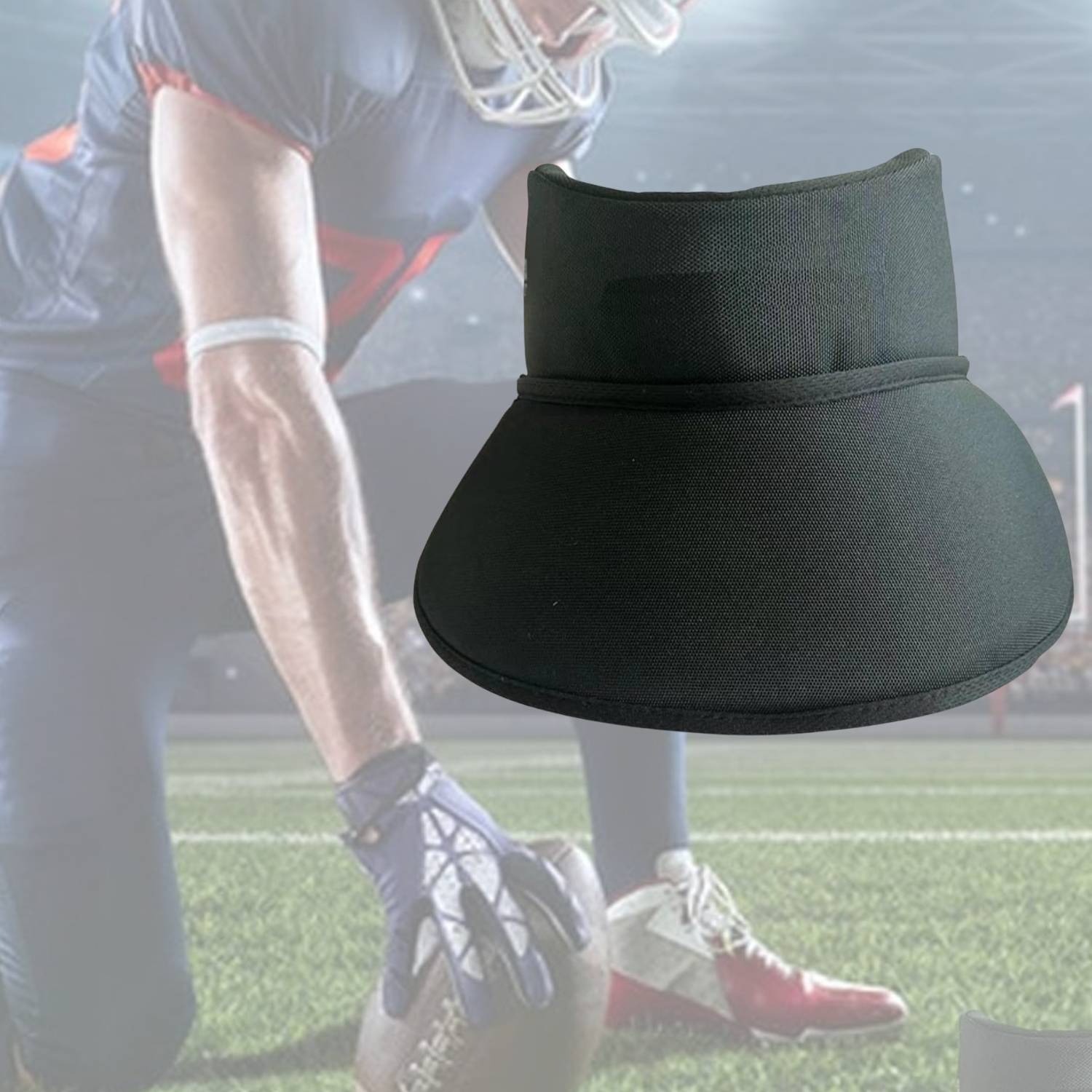
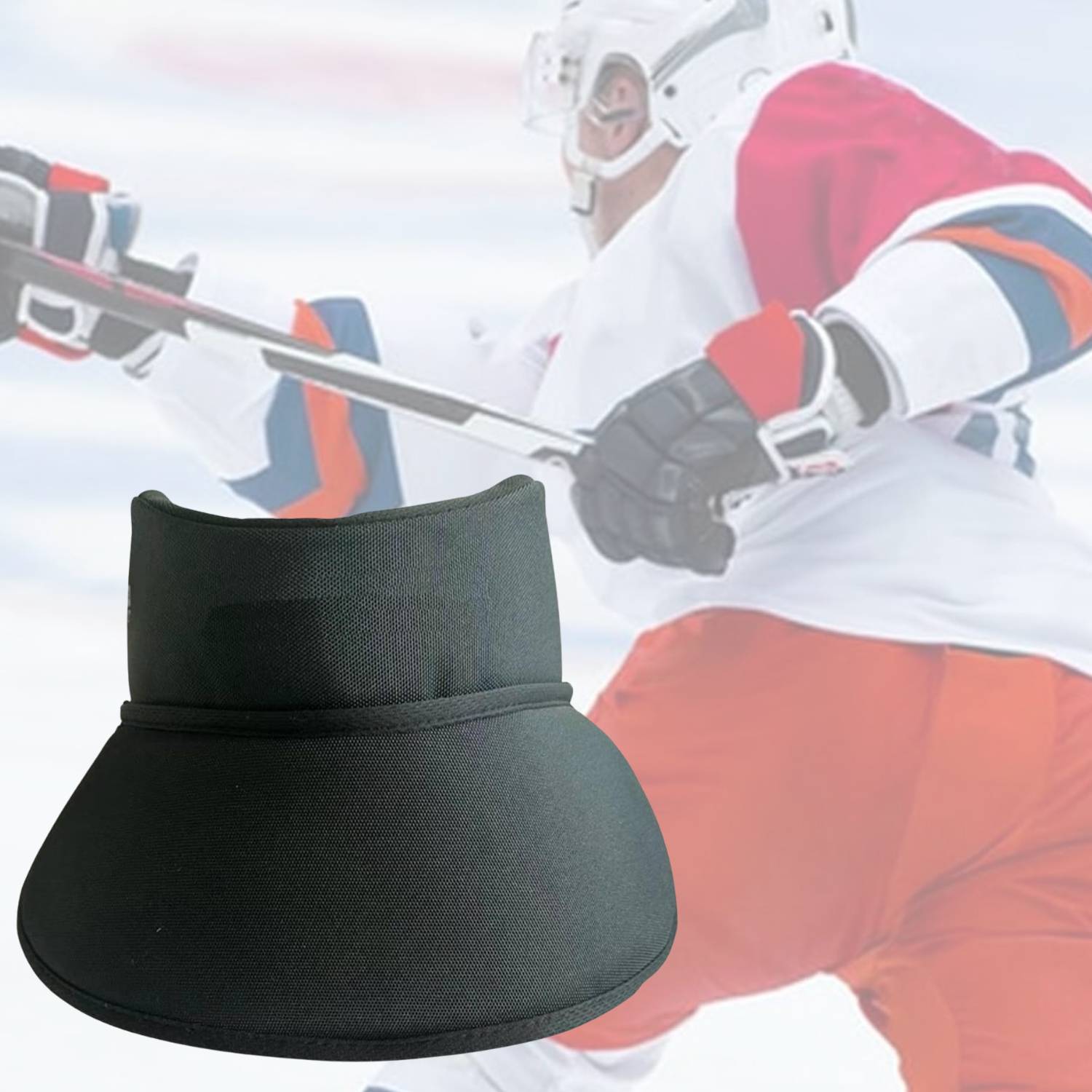
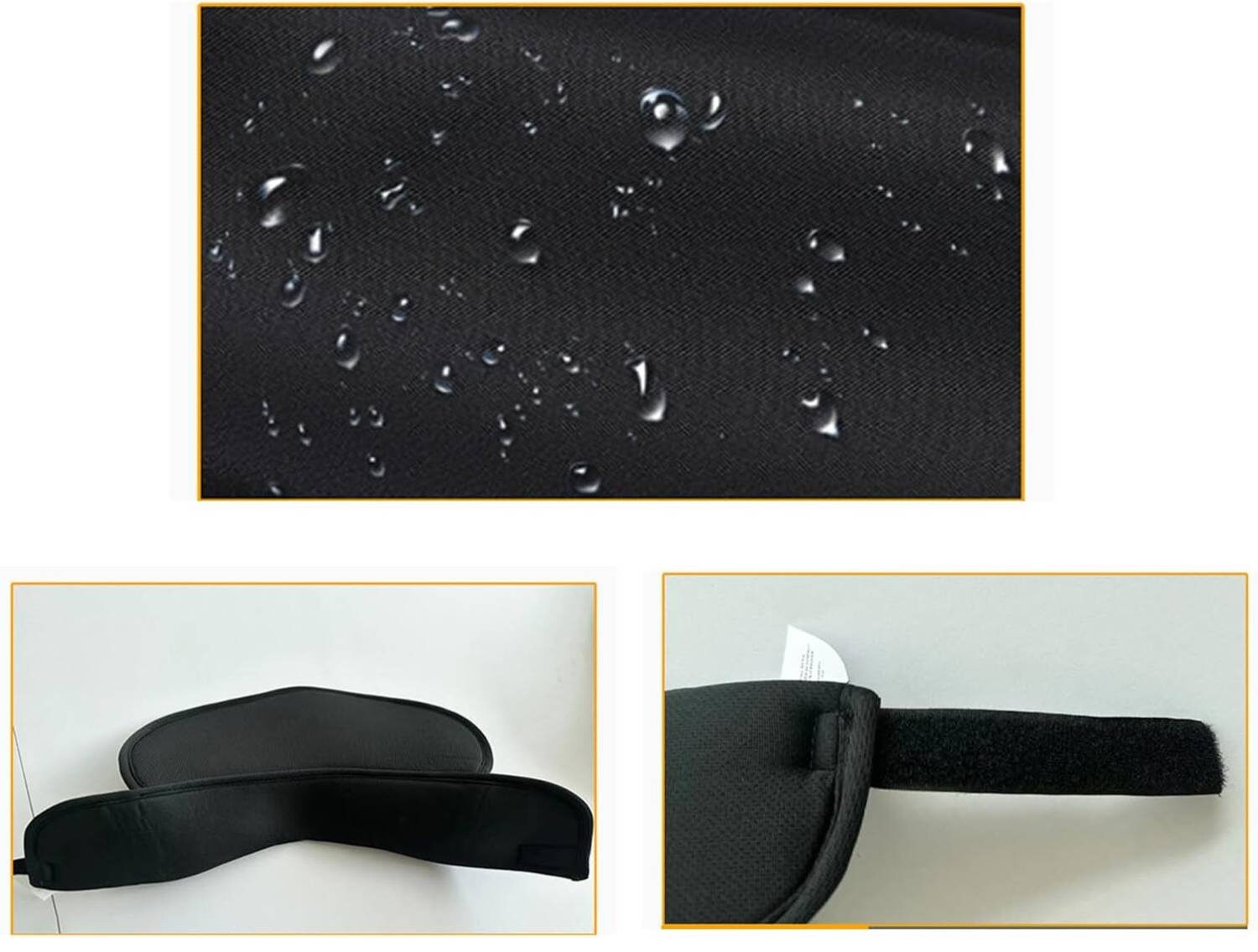
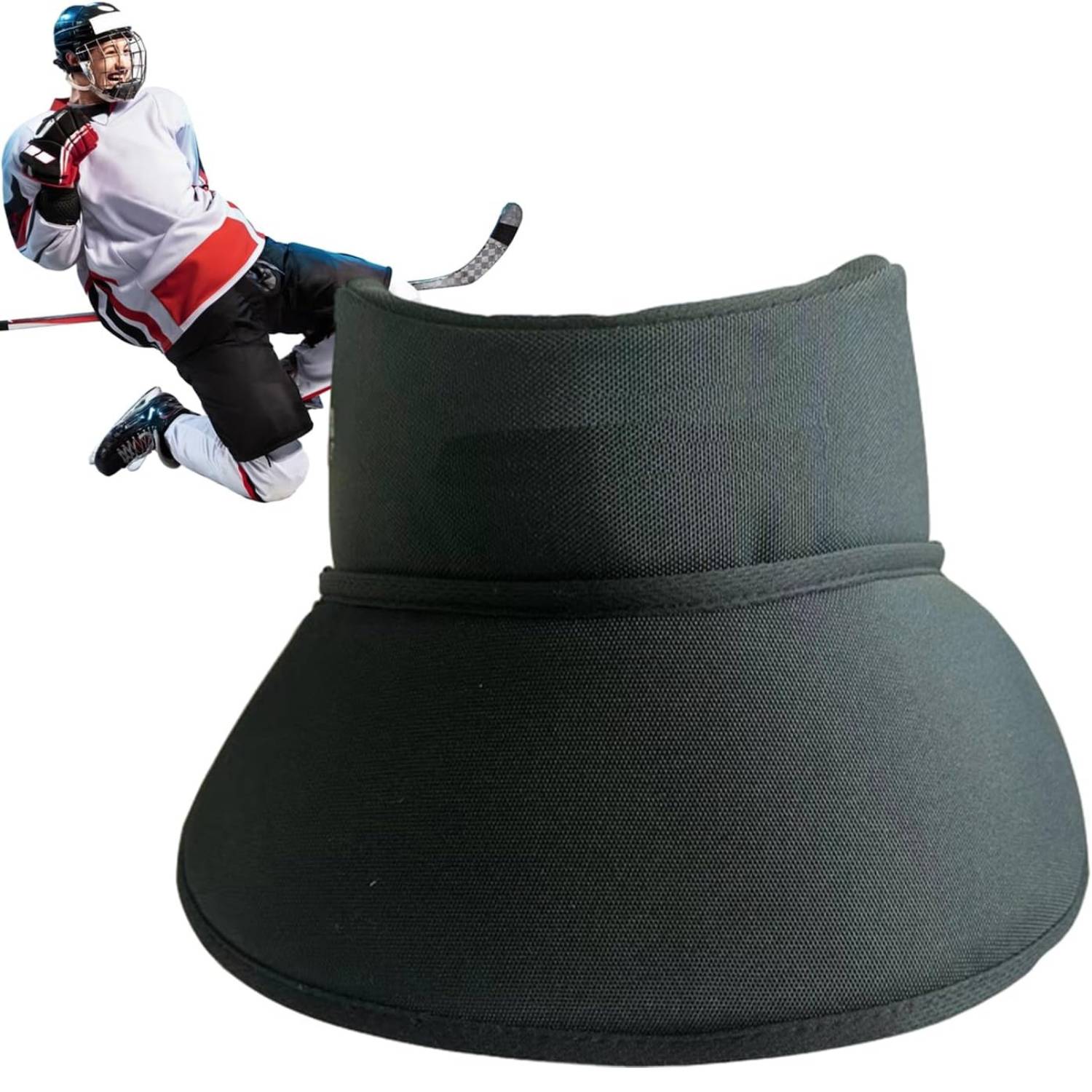
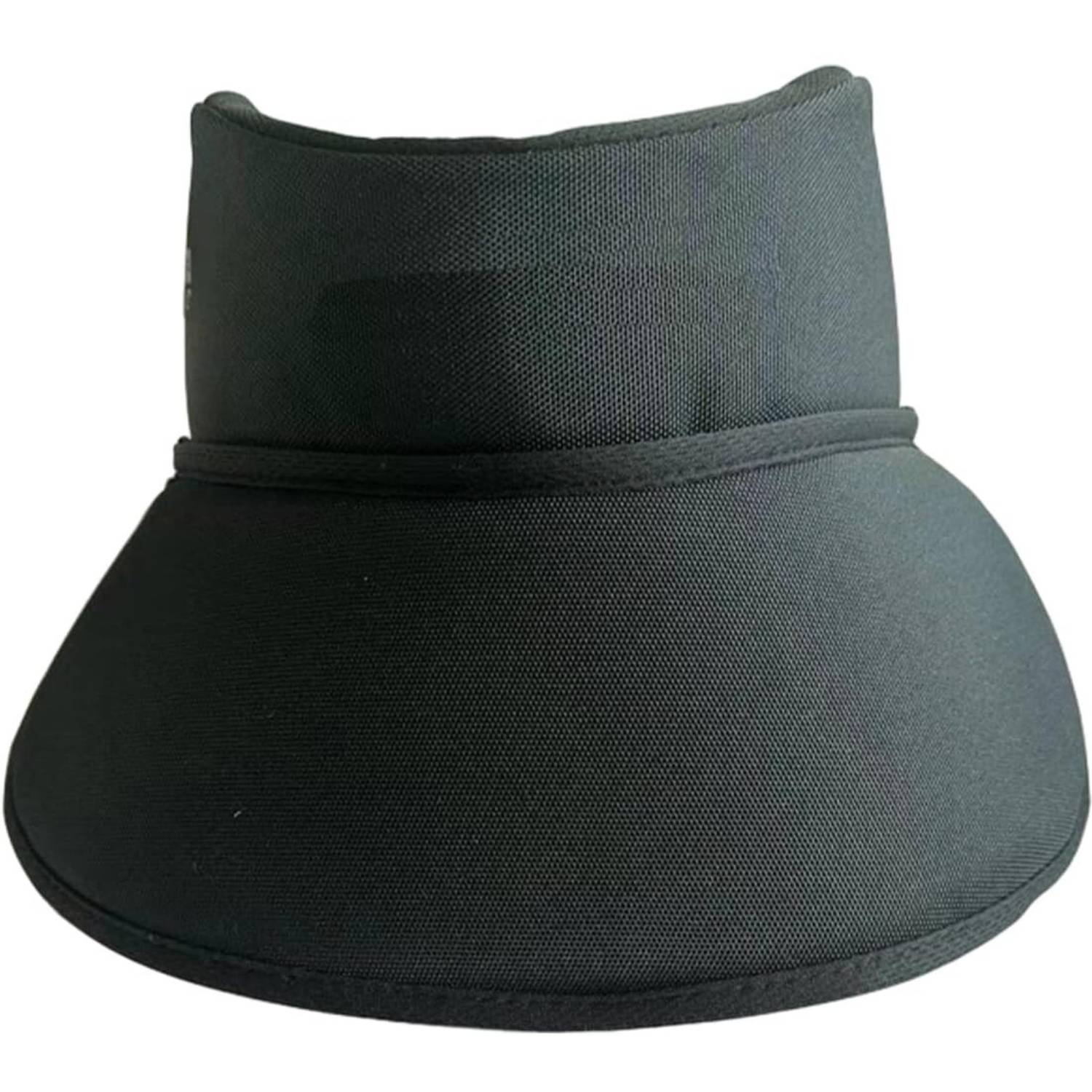
Padded neck protection. Foam and fabric that cushions knocks from sticks, pucks, boards and collisions. Comfortable, widely worn, and what this product is.
Cut resistant neck protection. A garment tested and certified against blade cuts to a specific standard. It looks similar. It is not the same item, and the difference is a laboratory test.
This one is the first kind. That is stated on the product page and repeated here because it is the thing that actually matters when someone is buying.
Why leagues have started mandating the second kind
Neck laceration injuries in ice hockey are rare and severe. Over the last few years a number of governing bodies and leagues, particularly for junior play, have moved from recommending to requiring certified cut resistant neck protection.
Requirements differ by country, by league and by age group, and they have been changing.
Before buying any neck guard for competitive play, check your own league's current rule. If it mandates certification, only a certified product satisfies it, and the certification will be documented by the manufacturer.
Where padded protection makes sense
Plenty of situations, and it is worth being clear about them.
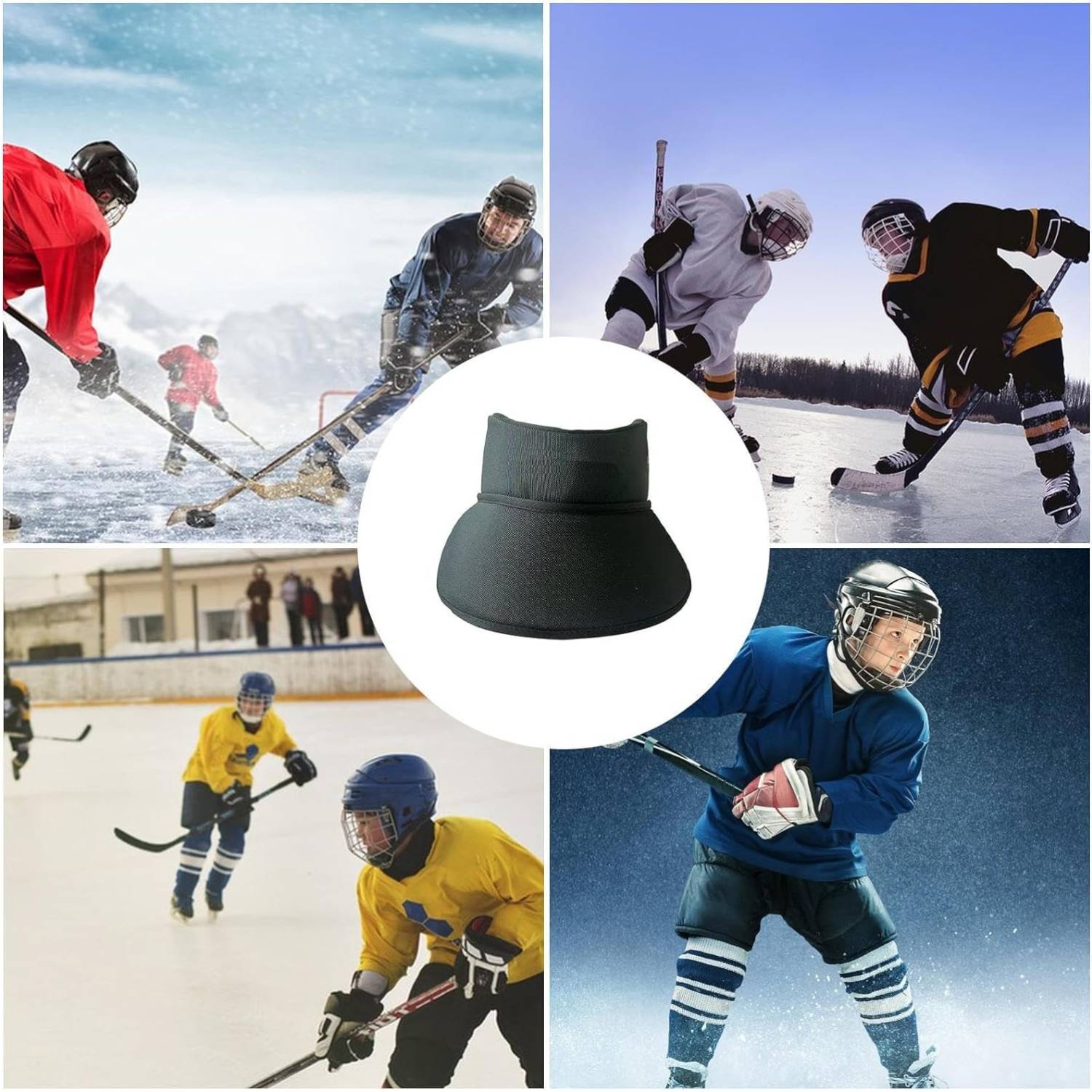
Training sessions and drills. Recreational skating. Junior sessions where padding is what is asked for. Other high impact sports where knocks rather than cuts are the risk. Anyone who simply wants their collarbone and neck covered.
Fitting it properly
Snug, not tight. It should not rotate when the head turns, and it should never affect breathing or swallowing.
Under the jersey. Against the neck is where the shaping works.
Check it after the warm up. Most guards that end up in a bag were fitted wrong at the start rather than uncomfortable by design.
Replacing it
Padding is consumable. Replace the guard when the foam has gone flat, when the closure will not hold, or after any significant impact.
A guard that slides out of position during play is not protecting anything, whatever it is made of.