

The complete guide
What a utility rope is for, and what it is not for
The one paragraph that matters
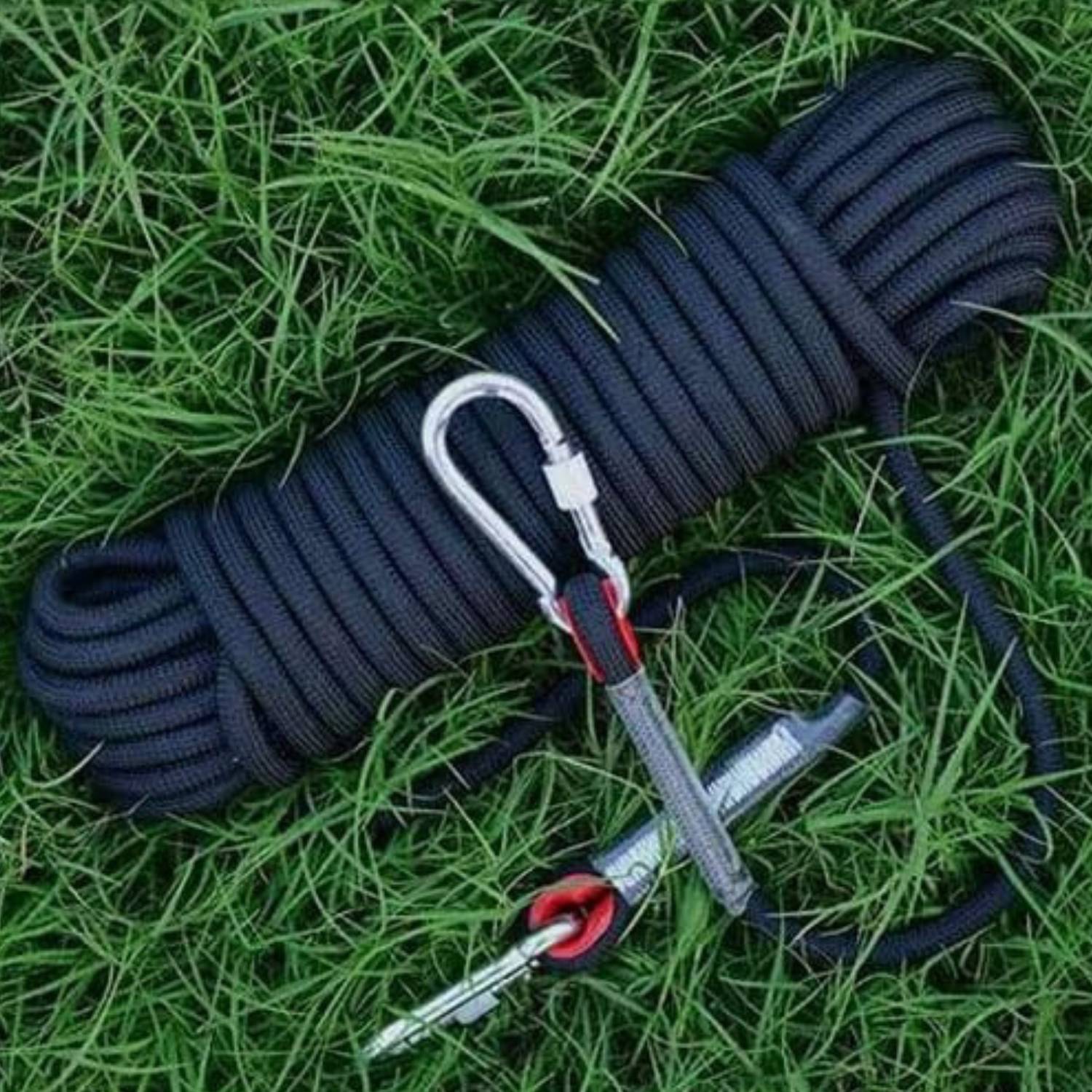
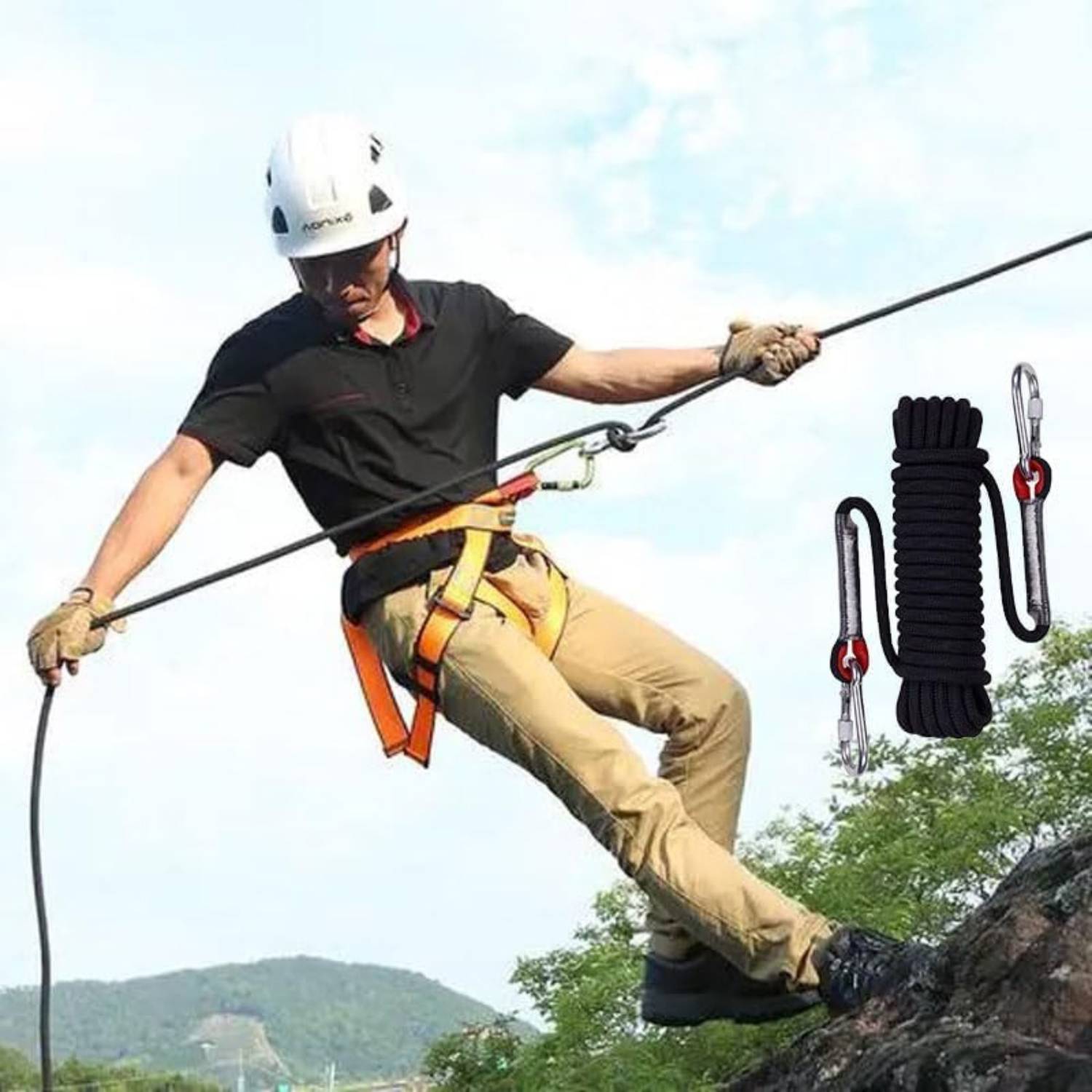
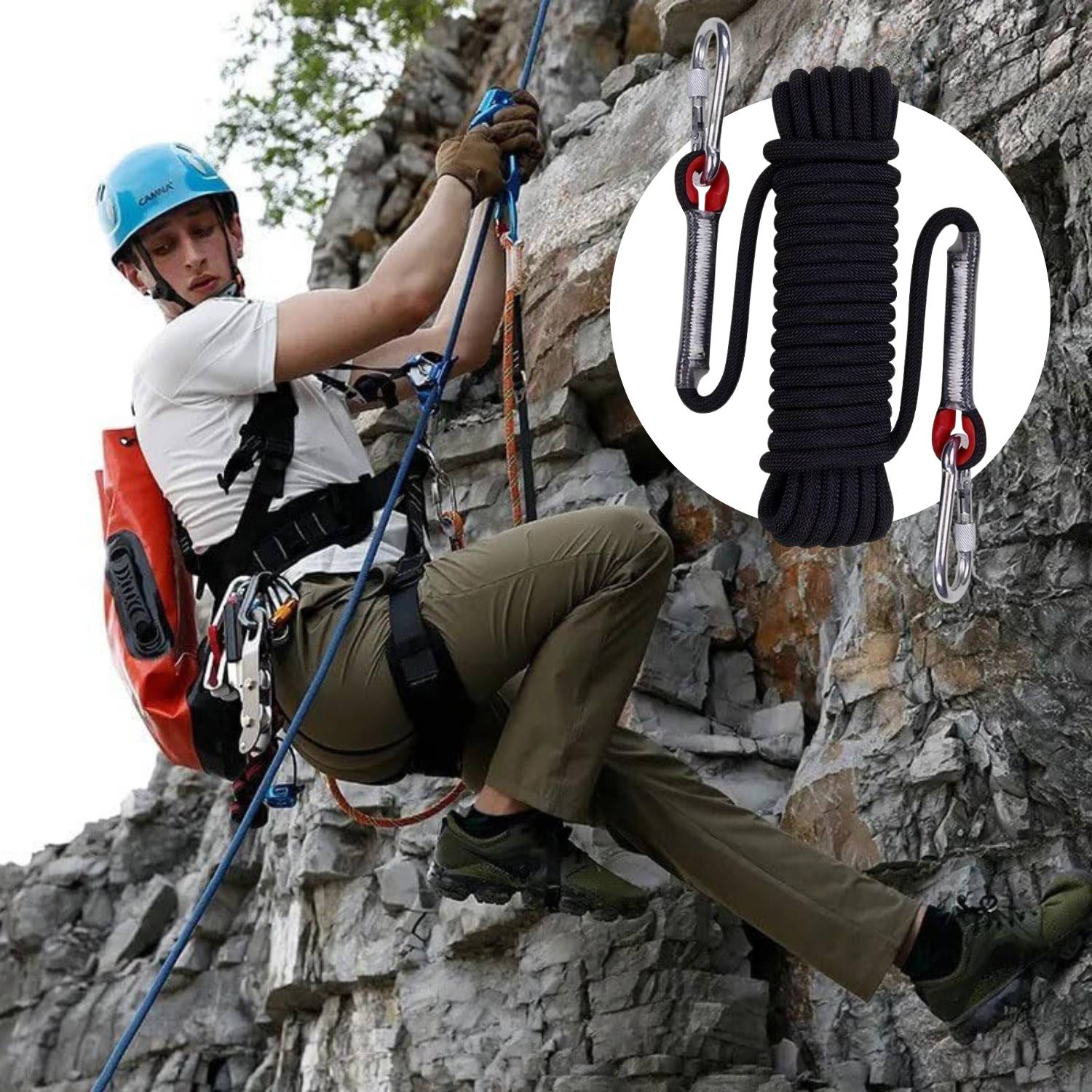
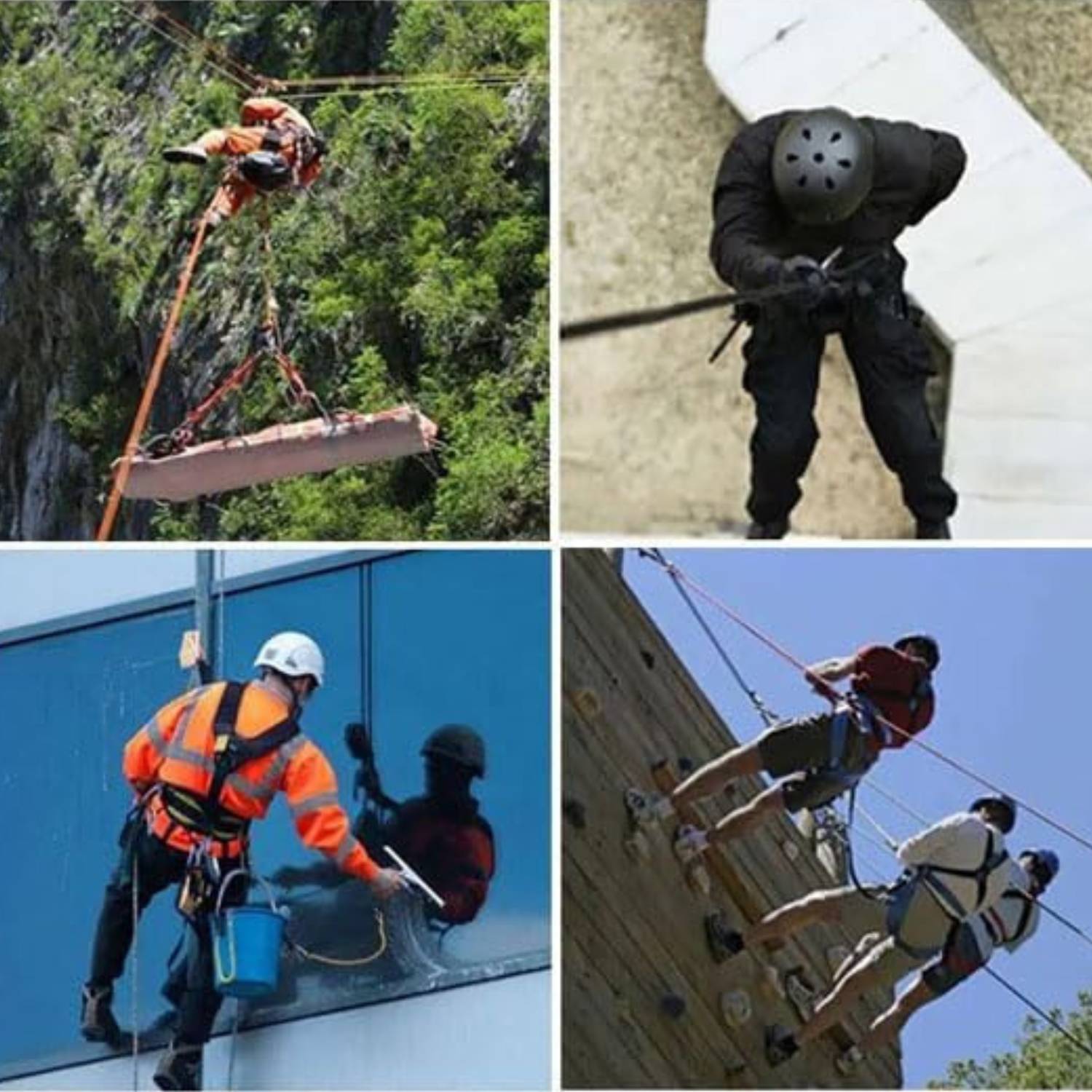
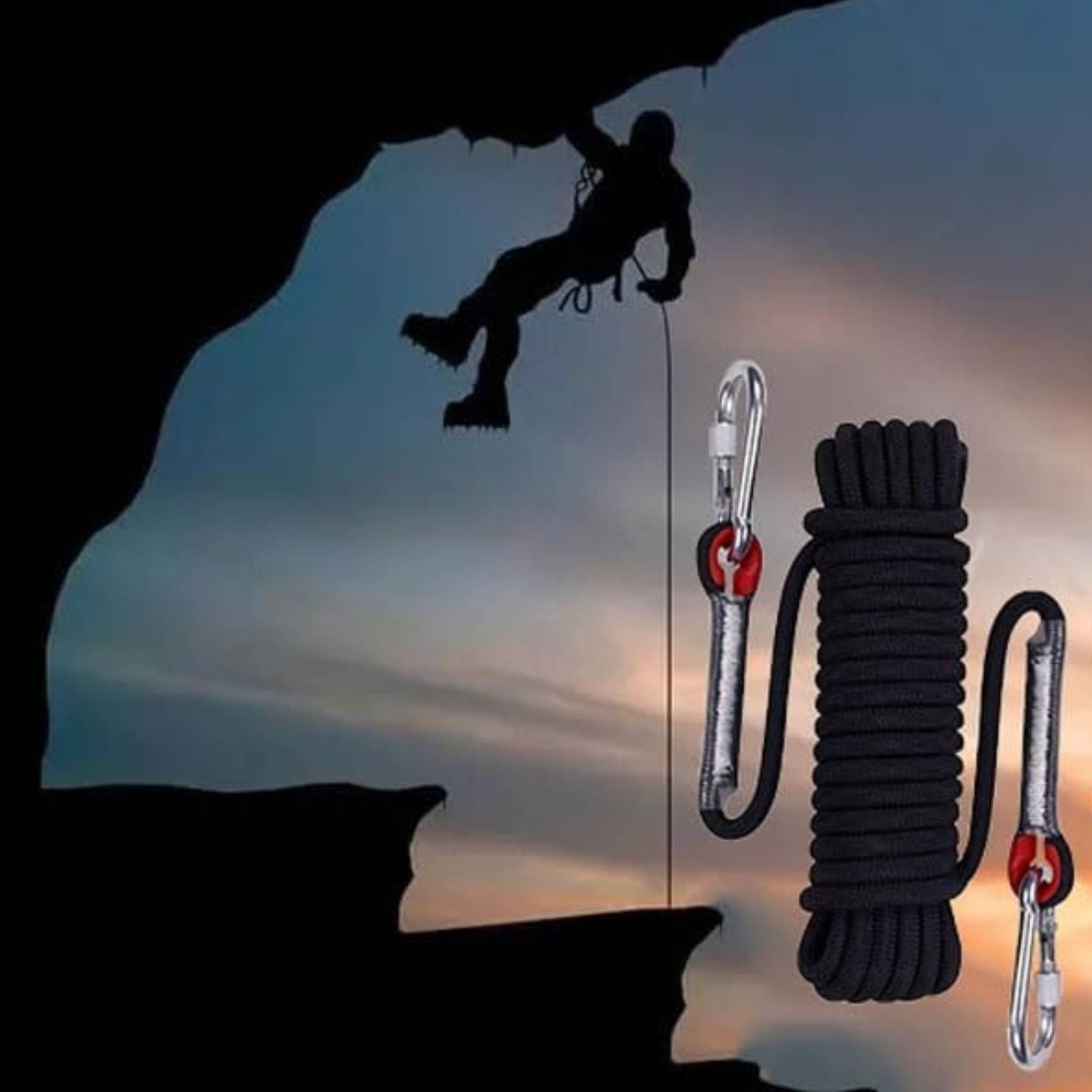
This is a 12mm polyester utility rope with a stated capacity of 1200kg. It is good at hauling, rigging, tying down, boat work, camping and gym style rope climbs.
It is not certified life-safety climbing equipment. It has no EN 892 or EN 1891 rating, no manufacture date on a tag, no documented history of falls held. If a rope is what stops you hitting the ground, buy a rope sold for exactly that, from a climbing brand, and retire it on their schedule.
That distinction is not a technicality. It is the entire difference between two products that look similar on a shelf.
Why polyester
It does not rot. Natural fibre rope in a damp shed has a lifespan. Polyester does not care.
It holds strength wet. Which is why it ends up on boats and why a rainy campsite does not weaken it.
It resists abrasion. The most common way any rope dies is rubbing over an edge, and polyester takes more of that than most.
It has low stretch. Excellent for hauling and holding a load steady. Exactly wrong for arresting a falling person, which needs a rope designed to stretch and absorb.
Rope climbs at home or in a gym
This is the use the name comes from, and it works well.
Anchor first. A beam or frame rated for a moving person. The rope is stronger than almost any anchor you will tie it to.
Soft ground underneath. A mat, grass or bark. Rope climbs end in a descent, and descents end faster than people expect.
Gloves for repeat work. Rope burn on the way down is the injury that actually happens.
Knots up the rope help beginners. A knot every 40cm gives feet something to stand on and turns an impossible climb into a learnable one.
Looking after it
Rinse it after salt or sand. Grit inside the braid is an abrasive that works on the rope from the inside every time it flexes.
Dry before coiling. Polyester will not rot, but a wet coil in a bag still grows mould on whatever else is in there.
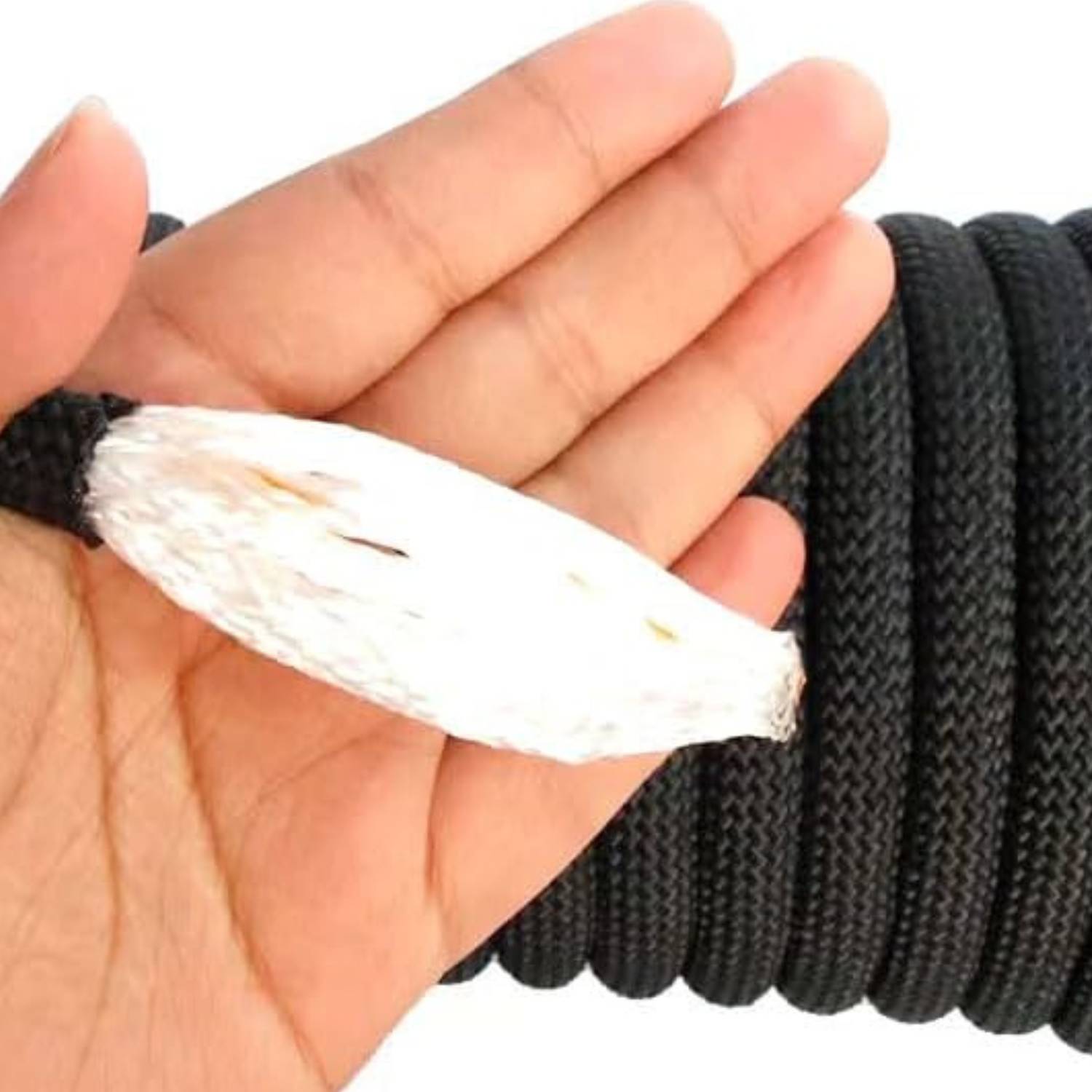
Seal any cut end. Heat or tape, immediately. A frayed synthetic end runs surprisingly far.
Store out of sunlight. UV is the slow killer of every synthetic rope, and it does its work while the rope sits unused.